Commercial Plumbing in Camp Hill, PA for Restaurants, Offices and Shops
A plumbing failure in a business costs more than the repair: it can close a kitchen, a restroom or a whole floor. The first call usually needs three details, what failed, whether the building can stay open and who can give access.
Dispatch sends commercial calls to licensed and insured plumbers serving your area, and tells you plainly what can be handled the same day and what needs to be scheduled.
- Licensed and insured plumbers
- Same-day service when available
- 24/7 emergency dispatch
What a commercial plumbing call involves
Commercial buildings differ from houses in scale and in who is responsible. A tenant may control the sink but the landlord controls the riser. A restaurant owner has grease and floor drains to think about, an office has restrooms and a break room, and a small retail space may share a water line with the unit next door. Dispatch asks who is calling and who owns what.
Close the nearest shutoff, note where the water is going and keep staff out of wet areas. If water is near electrical equipment, leave the area alone and tell dispatch.
Before the visit, shut the nearest valve if water is escaping, and tell dispatch whether a valve for the whole building is reachable. Tell them if the building is open to the public, so that safety is considered. A plumber will need to know where the water meter and the main shutoff are.
- A leak in a ceiling or wall that is spreading to other units.
- A floor drain or restroom backing up while the business is open.
- No hot water in a kitchen or restroom.
- A water bill that spiked with no change in use.
Leaks, burst pipes and emergency calls
An emergency in a business is any failure that stops operation, threatens inventory or risks property damage. A burst pipe, a main line that will not shut off and a sewage backup are the usual examples. Dispatch is open at any hour, and same-day help is offered when available, although an arrival time is not promised.
Leak surveys for larger properties, such as a resort, a warehouse or a multifamily building, start with isolating zones and watching the meter. If a utility has notified you of a leak, ask the plumber to confirm which side of the meter it is on. The method is described on the leak detection page, and pipe, slab and sewer repair for commercial buildings follow the same steps as in the sections for homes.
Kitchen or restroom down?
Say which fixtures are out of use. The plumber can plan around business hours.
Call (717) 897-7332Business plumbing problem?
Tell dispatch what failed and whether the building is open. Licensed and insured plumbers pick it up from there.
Call (717) 897-7332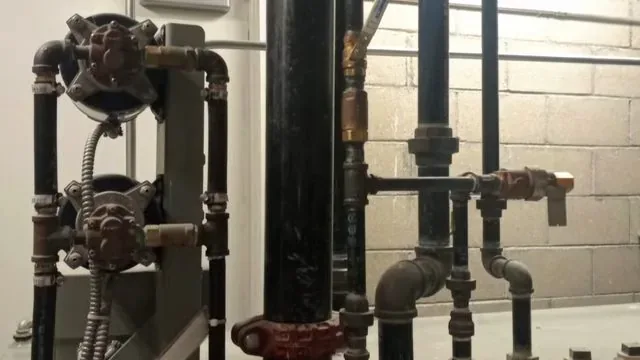
Restaurant and commercial kitchen plumbing
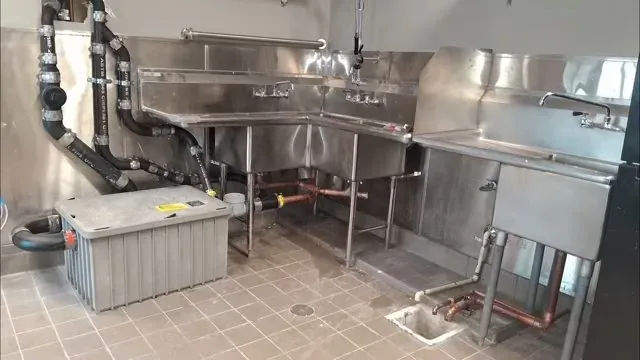
Kitchens put plumbing under daily stress: hot water, grease, food waste and constant use, so a restaurant plumbing call rarely involves one part alone. Floor drains clog with debris, dish machines need steady hot water and prep sinks drain into lines that grease coats. A slow drain in a kitchen is a warning, not a nuisance, because a full backup closes the kitchen. Dish machine drains, mop sinks, hand sinks and the restroom lines all join the same building drain, so a clog that begins in one of them can surface in another fixture on the lowest floor.
Grease is the main cause of kitchen drain trouble. It cools in the pipe, collects food and narrows the line until water stops. Preventing it takes a trap or interceptor that is emptied on schedule and scrapers that keep fat out of the sink.
Grease traps and interceptors
A grease trap catches fats and oils from wastewater before they reach the sewer. Small units sit under a sink, and larger interceptors are buried or installed in the floor. All of them work only when emptied. A trap that is full passes grease along and the drain line clogs. Common warning signs are a sour smell near the trap, slow sinks that clear briefly after plunging and grease visible at the floor drain.
Ask who services the trap, how often and where the records are kept. Local sewer authorities and health departments may have rules for traps, and the borough or the sewer authority can tell you what applies at your address. The plumber can clean the connected drain lines, which is covered on the cleaning the connected drain lines.
Maintenance contracts and planned work
Planned work saves more than it costs in a business that cannot afford to close. A maintenance visit checks water heaters, pressure-reducing valves, shutoff valves, floor drains and traps on a schedule that fits the building. It also builds a record of what was found, which a landlord, lender or insurer may want.
Ask what a visit covers, how it is documented and who responds if something fails between visits. If the building has older piping, a camera inspection of the main drain or a pressure check can show problems before they become failures. Water heater service for a business follows the same steps as in a home; see the water heater repair page.
| Call | What the plumber checks | Related page |
|---|---|---|
| Kitchen drain backing up | Grease, debris and the main line | Drain cleaning |
| Water stain on a ceiling | Supply lines, drains and roof leaks | Leak detection |
| No hot water | Heater, thermostat and recirculation | Water heater repair |
| Sewage in a restroom | Main line blockage | Sewer line repair |
| Water bill spike | Meter test and hidden leaks | Leak detection |
Apartments, multifamily buildings, light industrial space and cold storage plumbing have their own layouts, and the plumber will ask about the number of units or floors. Commercial plumbing installation covers new restrooms, tenant fit-outs and kitchen lines. Commercial reverse osmosis (RO) systems and ice machine filtration are water treatment work; the reverse osmosis and filter options are described on the water filtration page, and a plumber can fit them to a business supply line. To request commercial plumbing service, call dispatch and say what the building is used for. What shapes a commercial quote is set out on its own page.
Commercial plumbing questions
Do you handle plumbing for businesses and not just homes?
Yes. Dispatch routes commercial calls to licensed and insured plumbers serving your area. Say what failed and whether the building is open.
Who pays for a leak in a leased space?
It depends on the lease and where the leak is. A landlord often controls risers and the building main, while a tenant may control fixtures in the unit. The plumber can say where the leak is and you can check the lease.
How often should a grease trap be emptied?
It depends on the size and use, and local rules may set a minimum. A trap that smells or drains slowly is overdue.
What is the difference between a residential plumber and a commercial plumber?
Commercial work involves larger supply lines, grease interceptors, pressure-reducing valves, multiple restrooms and rules that depend on the building. Dispatch routes the call to licensed and insured plumbers who handle commercial buildings, and commercial plumbing companies in the area differ in what they take on, so ask about your building type.
Can a plumber set up regular maintenance visits?
Ask dispatch. Say what equipment the building has and how often you would like it checked.
Related plumbing for businesses
Business plumbing in Camp Hill?
Call dispatch and say what failed. The call goes to licensed and insured plumbers who cover your address.
Call (717) 897-7332- Licensed and insured plumbers
- Same-day service when available
- 24/7 emergency dispatch