
Emergency Sewer Line Repair and Replacement in Camp Hill, PA: Backups, Roots, Camera Inspection
Sewage coming up through the lowest drain in the house means the line that carries waste to the street is blocked or broken, and every minute of running water adds to what ends up on the floor. Stop using water first, then call.
Say which drains are backing up when you call dispatch and whether the toilet, tub and floor drain are all affected, because that decides whether this is a fixture clog or a sewer line problem.
- Licensed and insured plumbers
- Same-day service when available
- 24/7 emergency dispatch
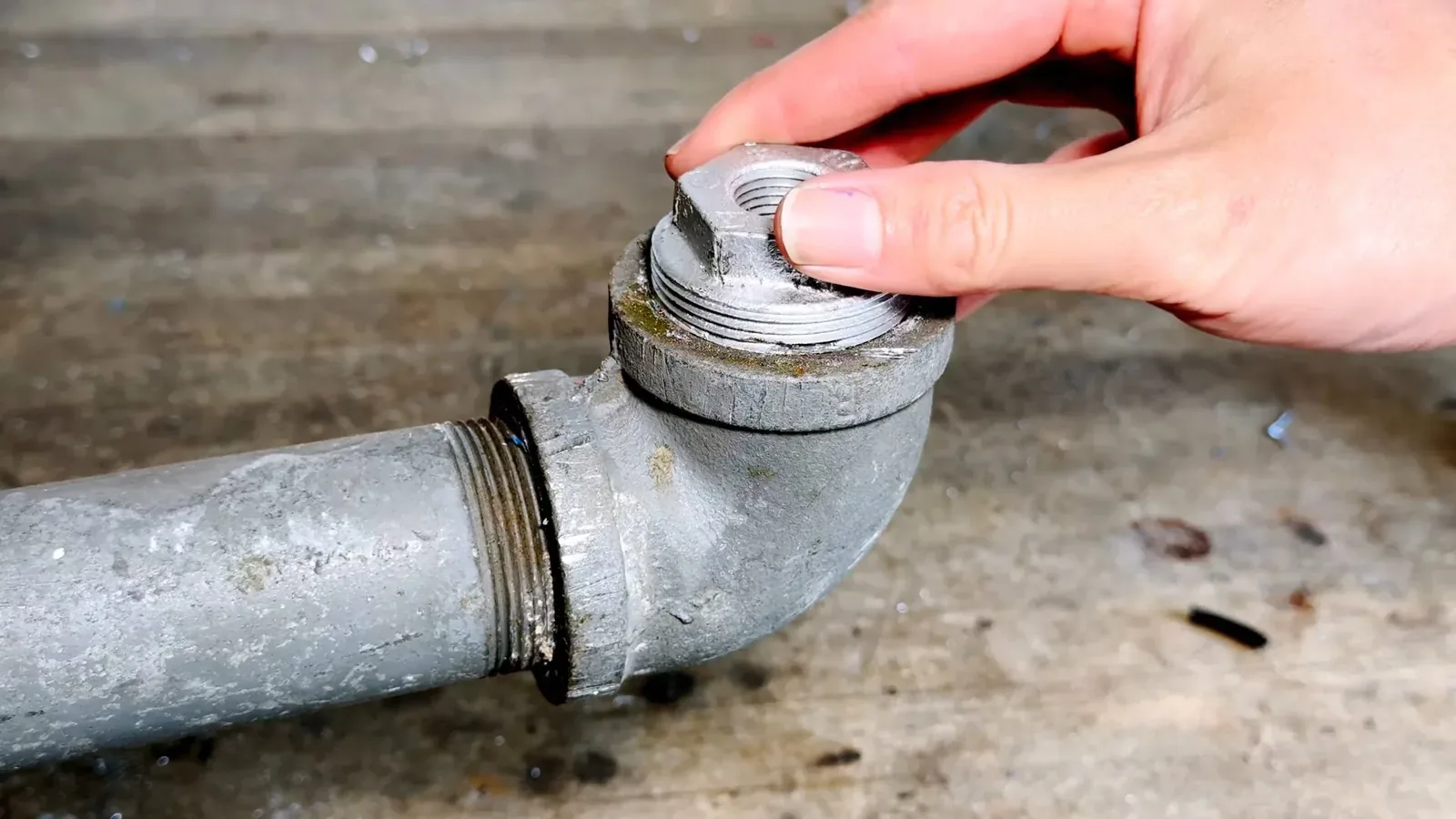
Sewer backup: what to do in the first ten minutes
A sewer backup shows up at the lowest opening in the house: a basement floor drain, a tub or a toilet on the lowest floor. When several fixtures gurgle or back up at once, the blockage is past the branch lines, in the main drain or the lateral, the pipe that runs from the house to the sewer main.
- Stop all water use. No flushing, no showers, no dishwasher or washing machine.
- Keep people and pets out of the water. Backed-up wastewater carries bacteria.
- Open a cleanout cap only if you know where it is. An outdoor or basement cleanout can relieve pressure, but stand clear because the contents may rush out.
- Phone dispatch and say what you see. Same-day service is offered when available; no arrival time is promised.
Same-day response matters most when sewage is already inside the house, because every hour leaves more material soaking into flooring and drywall. Dispatch offers same-day help when it can, though a firm arrival time is not given over the phone. While you wait, keep the affected area closed off, cut power to the room only when the breaker box can be reached without wading, and take photos of the water line on the walls for any insurance claim.
Pouring cleaner into a backed-up line adds a hazard for whoever opens it. A cable or a jetting machine, not chemistry, clears a main line.
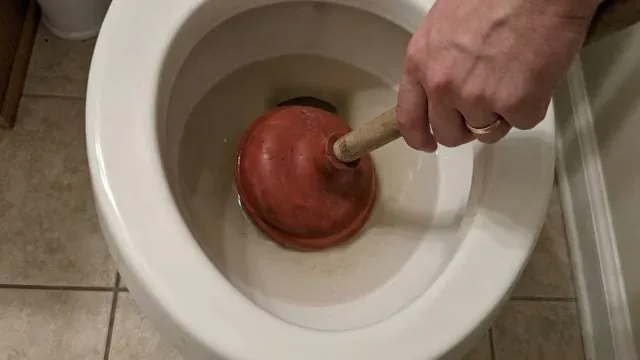
Sewer cleaning and rooter service: opening the line
The first job on a backup is restoring flow. A cable machine with a cutter head bores through grease, paper, wipes and roots, and a sewer machine runs through the cleanout or a pulled toilet. Roots are a common cause in older lines because they enter at joints and thicken year after year, so a line that was opened and clogs again in a few months usually has roots or a damaged joint. Ask what came out of the line and whether a camera followed the cable. Ask too whether the cable went in through a cleanout or through a pulled toilet; a proper cleanout is cleaner and avoids disturbing the toilet seal. After the line is open, run several fixtures at once to confirm the flow holds. If the blockage returns within weeks, the line has a defect that cleaning will not cure.
Camera inspection: what the video shows and what it does not
A sewer camera is a small waterproof lens on a flexible rod that goes in through the cleanout. It shows the pipe material, joints that have shifted, roots, low spots where water sits, cracks and breaks. It cannot show what lies outside the pipe, so a crack that looks minor can still sit in washed-out soil. Ask for the recording, a note of the distance from the cleanout to each defect and a sketch of where the line runs.
A camera look is also the fair way to decide between cleaning, repair and replacement. A blocked line that shows clean pipe walls and one root mass is a cleaning job; one that shows a collapsed section is not. A sewer scope done for a home purchase and a camera inspection after a backup use the same equipment, but the scope is a point-in-time report while the backup call is diagnostic.
Backup in the basement right now?
Stop water use and call. Naming the affected drains lets the plumber plan for a cable, a camera or both before arriving.
Call (717) 897-7332Who owns the lateral: the homeowner, the borough or the authority?
The lateral is the pipe from the house to the sewer main. Who maintains it is set by local ordinance, not by any single Pennsylvania rule, so the answer differs from one municipality to the next. A clog in the main under the street is the sewer owner's problem; a clog or break between the house and the main is often the property owner's, but not everywhere, and the dividing line may be the curb, the property line or the connection to the main.
Before paying for a lateral repair, ask the borough office three questions: which entity owns the sewer main on your street, where responsibility changes along the lateral, and whether a permit or an inspection is required for the work. Any excavation needs a call to 811 first, at least three business days before digging.
Sewer repair: fixing a section instead of the whole line
When the camera shows a localized problem, such as a broken joint, a short offset or a cracked section, a spot repair is often the proportionate answer. The plumber exposes the section, cuts out the damaged pipe, replaces it and re-bedds the pipe so it does not sag again. A spot repair makes sense when the rest of the line is sound and the failure is isolated; it makes less sense when the camera shows several defects along the line. A repair of this kind should come with a fresh camera run through the repaired section, so the line is shown to be open and sloped correctly before the trench is closed.
Ask for the repair to be recorded on camera before backfilling, so you have proof that the line runs clear and at the right slope.
Trenchless lining and pipe bursting versus digging a trench
Trenchless methods repair a line without opening a continuous trench. Lining coats the inside of the existing pipe with a resin sleeve that hardens in place, which suits a pipe that is intact enough to hold its shape. Pipe bursting pulls a new pipe through the old path while breaking the old pipe outward, which fits when the old pipe is too damaged to line but a trench would wreck a driveway, a tree or a landscaped yard.
| Method | Fits when | Limits |
|---|---|---|
| Open trench | Short run, shallow pipe, easy access or a severe offset | Digs up yard, driveway or sidewalk; most disruptive |
| Lining | Cracks and joint leaks in otherwise continuous pipe | Does not fix a collapsed or badly offset pipe |
| Pipe bursting | Failed pipe along a long path with obstacles above | Needs access pits at each end; other utilities must be located first |
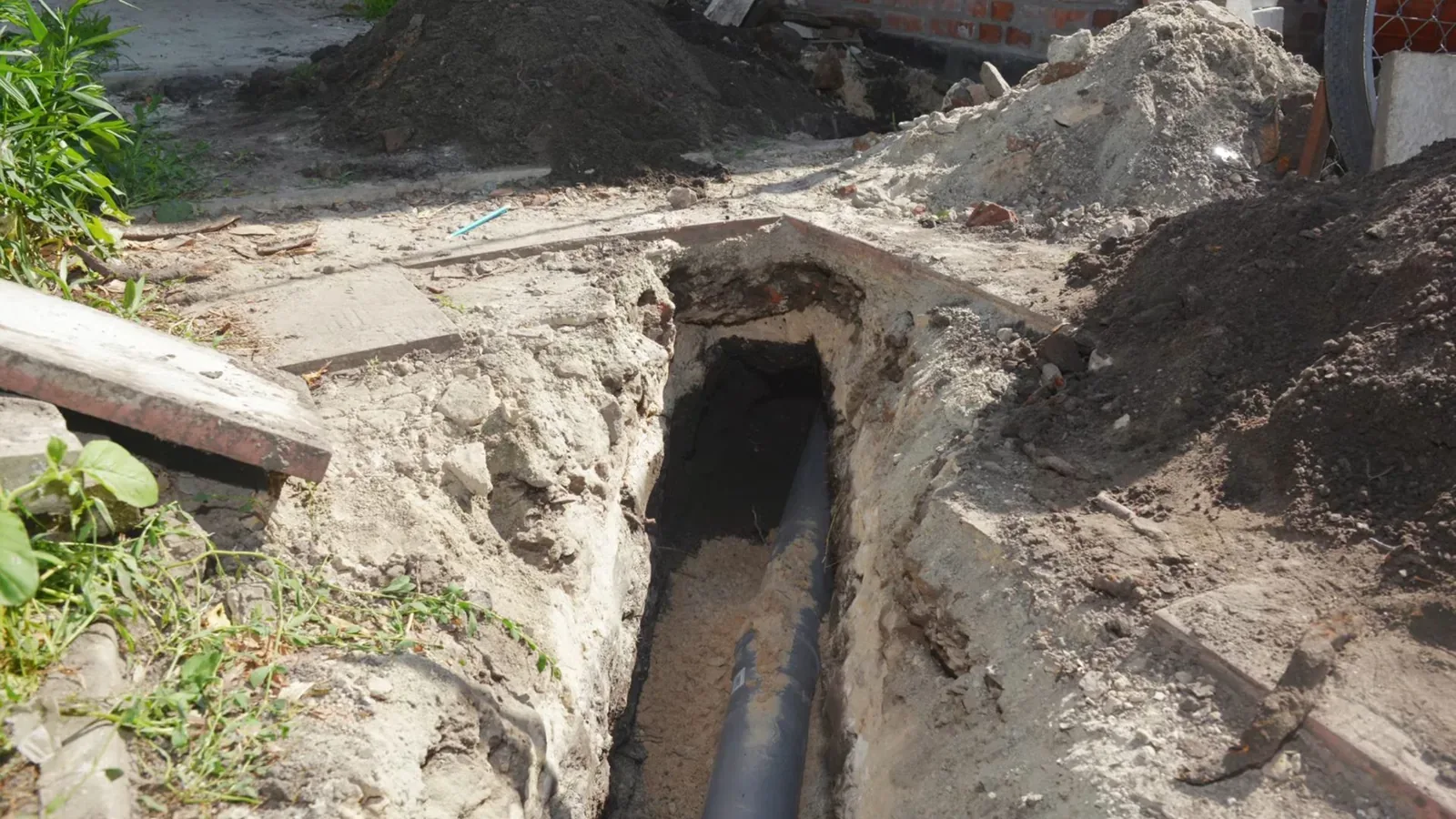
Sewer replacement: when the whole lateral has to go
Replacement is the right answer when the camera shows a long run of cracked, belly-shaped or root-invaded pipe, or when the pipe material has reached the end of its life. A new line is laid at a set slope and tested before it is covered, and it ends the repeat clogs that a damaged line causes. It is also the most disruptive and most costly option, so a second opinion and a camera recording are reasonable to ask for. Ask what the new pipe is made of, how the connection at the main will be made and who restores the yard, driveway or sidewalk afterward.
Before signing a replacement contract, confirm the contractor's home improvement registration through the Attorney General's consumer line, 1-888-520-6680. Get the quote in writing and ask the borough office whether a permit or inspection applies.
Line needs replacing?
Ask for a plumber who will show the camera recording and explain repair, lining and replacement in plain terms.
Call (717) 897-7332Cleanouts, smells and pipe materials
- Cleanout: a capped fitting on the line, usually in the basement or outside near the foundation; knowing where it is saves time.
- Sewer smell: often a dry floor-drain trap or a loose cleanout cap before it is a broken line; pour water into unused drains first.
- Pipe materials: cast iron, clay and Orangeburg fiber (bonded paper and tar) fail in different ways, and the camera shows which you have.
What moves the price of a sewer job is listed under sewer cost drivers.
Sewer line questions homeowners ask
When is trenchless lining a better choice than excavation?
Lining fits when the pipe is intact but cracked or leaking at joints, and digging would disturb a driveway or mature landscaping. Excavation fits when the pipe is collapsed, badly offset or has a belly where water sits. Ask the plumber to show the camera recording and explain which condition your line is in.
Who do I call for a sewer backup?
Call a plumber for a backup inside the house. If the neighbors are also affected or sewage is in the street, report it to the borough office as well, since the main may be blocked.
What is the difference between cast iron, clay and Orangeburg sewer pipe?
Start with the age of the pipe: older lines may be clay or cast iron, and mid-century lines sometimes used Orangeburg, a bonded fiber pipe that softens and deforms over time. The camera shows which material you have, and each has a different life expectancy and repair path.
What is the difference between a sewer scope and a camera inspection after a backup?
- A sewer scope for a home purchase is a point-in-time report on the lateral.
- A camera inspection after a backup is diagnostic and is done with the cable machine.
- Both use the same equipment; ask for the recording in either case.
Why does my house smell like sewage?
A common case: a guest bathroom or floor drain that has not been used in weeks has a dry trap, and sewer gas comes up through it. Run water for a minute and see if the smell clears. If it does not, or the smell is strongest near the lowest drain, ask for a camera look at the line.
What do I do during a sewer backup?
Stop using water, keep people and pets out of the area and call. Do not use chemical cleaners. Ask the plumber what was blocking the line before they leave.
Plumbing that connects to the sewer line
Sewage in the house is not a wait-until-morning problem
The dispatch line never closes. Say which drains are affected and the rest is arranged on the phone.
Call (717) 897-7332- Licensed and insured plumbers
- Same-day service when available
- 24/7 emergency dispatch