Tankless Water Heater Service in Camp Hill, PA: Descaling, Repair, Conversion From a Tank
A tankless heater heats water only when a tap opens, so it never runs out, but it is less forgiving of scale than a tank. Scale is the first thing a service visit checks, because it lowers flow, triggers error codes and shortens the life of the heat exchanger.
Say what the unit is doing, its brand and whether it burns gas or runs on electricity. If you are still deciding whether to switch from a tank, say that instead.
- Licensed and insured plumbers
- Same-day service when available
- 24/7 emergency dispatch
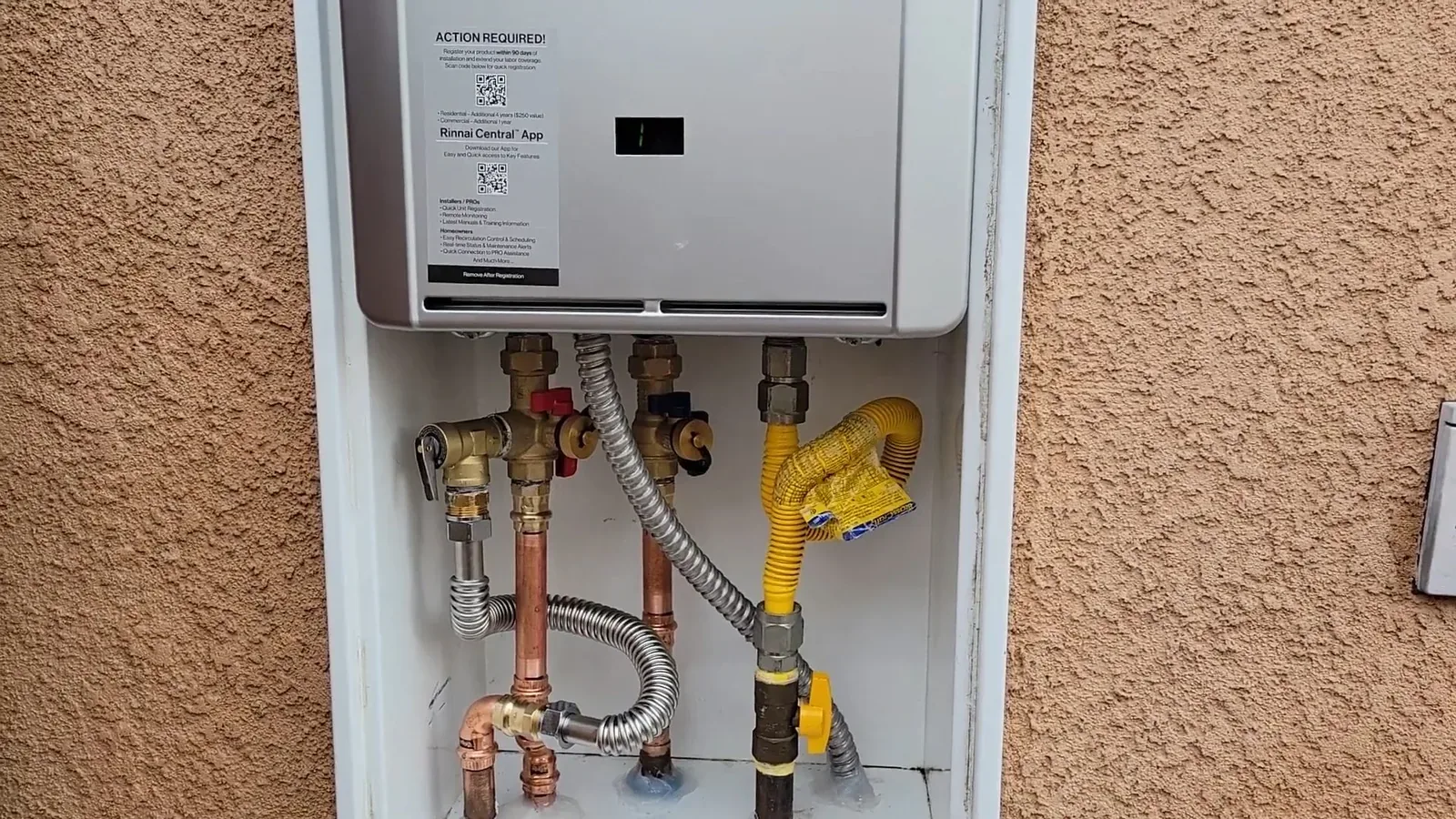
Flushing and descaling: the maintenance that decides how long the unit lasts
Dissolved minerals coat the inside of the heat exchanger as the unit runs. The coating acts as insulation, so the heater works harder for less hot water, and eventually the unit throws an error or loses flow. Descaling, which means circulating a mild acid solution through the heat exchanger and then flushing it, removes the coating before it hardens.
How often it is needed depends on your water. Pennsylvania American Water publishes an annual water quality report searchable by ZIP, and its total hardness figure tells you how quickly scale will build. A harder supply means a shorter interval between flushes; the manufacturer's manual gives the baseline. Ask the plumber to record the date, the flow rates before and after and what the flush water looked like.
| Item | Gas tankless | Electric tankless |
|---|---|---|
| Heat output and flow | Higher flow, suits several fixtures at once | Lower flow unless several units are used |
| What the house must supply | Larger gas line, vent to outdoors, condensate drain | Heavy dedicated circuit and a panel that can carry it |
| Installation sensitivities | Venting path and combustion air | Electrical capacity and wiring by an electrician |
| Maintenance | Descale and check the vent | Descale; check element and inlet screen |
- Switch off power and gas to the unit and close the water valves.
- Connect hoses to the service valves and circulate the descaling solution, usually for under an hour.
- Flush with clean water until it runs clear and check the inlet screen for debris.
- Reopen the valves, restore power and gas, and confirm a normal flow and temperature.
Turn the unit off and leave the area if you smell gas, then call 911 or your gas utility. Soot or a yellow flame points to a combustion problem that needs a plumber or heating technician before the unit runs again.
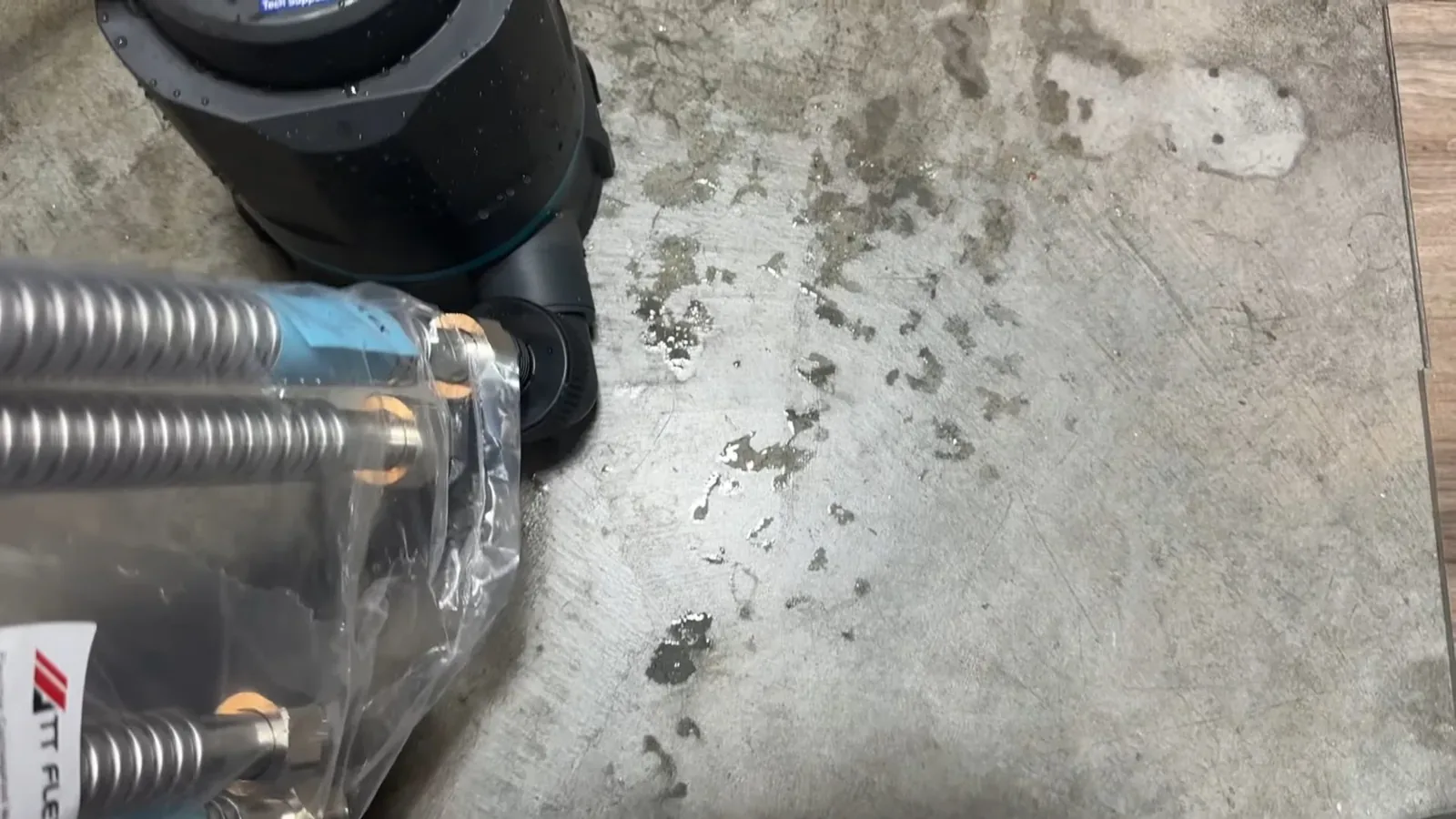
Is it repairable? Troubleshooting a tankless unit that has lost its heat
Most tankless failures fall into a short list. A unit that gives lukewarm water or flickers between hot and cold often has scale or a clogged inlet filter. A unit that shuts off during use may be reading too low a flow, which happens when fixtures are very low flow or the water supply has dropped. An error code on the display narrows it to an igniter, a flame sensor, a venting fault, a temperature sensor or a water flow sensor, and the manual explains each code.
What can you check safely? Clean the inlet screen if the manual shows you how, make sure the shutoff valves are fully open and the gas supply is on, and reset the unit once. If the same code returns, stop. Repeated resets on a gas unit with a combustion fault can create a safety problem. Ask the plumber for the code, the part affected and whether the part is under warranty, since many heat exchangers carry a longer warranty than the electronics.
Tankless unit down and no hot water?
Give dispatch the brand, the error code and whether it is gas or electric. That narrows the visit before anyone arrives.
Call (717) 897-7332Installing a tankless heater: what the house needs first
A tankless heater delivers a large amount of heat quickly, so the supply it needs is larger than a tank's. A gas model needs a gas line sized for the burner, and a gas run that was sized for a tank is often too small; the gas line page covers that work. It also needs stainless or approved venting to the outdoors and a condensate drain if it is a condensing model. An electric model needs a heavy dedicated circuit, and the panel may need to support it; wiring is electrician work.
Location matters too. The unit mounts on a wall, needs clearance on all sides, and the water lines in and out have to be arranged so the service valves can be reached for flushing. Ask whether the quote includes the gas line upgrade, venting, the condensate drain, a pressure relief valve and the permit. Whether the borough requires a permit and inspection is a local question; ask the borough office.
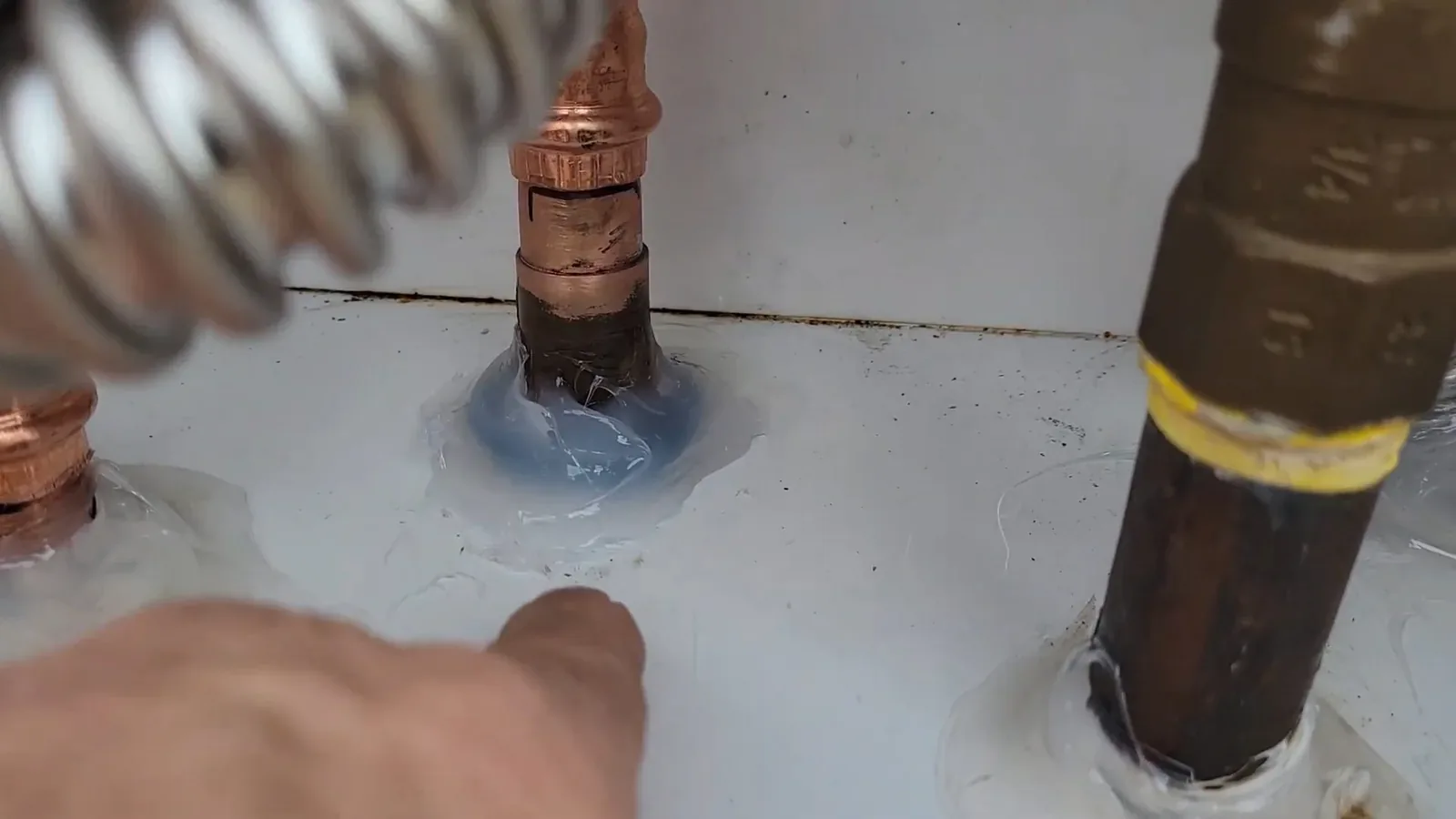
Switching from a tank: replacement and conversion
A tankless conversion is a project, not a swap. The plumber looks at the gas line, the venting path, the wall space, the electrical supply for the controls and the flow the house needs at its busiest moment, such as two showers and a dishwasher. The answer decides gas or electric and which size. Expect old tank removal, new water connections, a new vent and gas or electric work, and ask for each item on the quote.
The tradeoff to ask about is the first-draw delay: a tankless heater takes a moment to bring hot water to the tap, and long runs of pipe can make that wait longer. A small recirculation pump can reduce it, at an added cost.
Gas or electric, brands and tankless against tank in short
- Gas or electric: gas models move more water and need venting; electric models are simpler to place but pull a lot of power.
- Brands: most major makers sell service parts, so a plumber familiar with the brand and a parts supply matter more than the name on the front.
- Tankless against tank: a tankless unit gives up no floor space and keeps pace with demand, while a tank costs less up front and is easier to service; the water heater installation page covers the tank side.
Price drivers for a tankless project, from gas line upgrades to venting, are listed under tankless project costs.
Thinking about a tankless conversion?
Phone dispatch with the current tank, the fuel and how many bathrooms run at once.
Call (717) 897-7332Tankless questions, answered
Should I convert from a tank to a tankless heater in my house?
A fair test is your own water. The annual Pennsylvania American Water report for your ZIP lists hardness, and a very hard supply means more frequent descaling for a tankless unit. If the gas line, vent path and wall space allow it, and you can commit to descaling, conversion works. If any of those is a stretch, a new tank is the simpler move.
How do I flush and descale a tankless heater?
- Turn off power and gas and close the water valves.
- Connect hoses to the service valves.
- Circulate the descaling solution.
- Flush with clean water until clear.
- Reopen valves and check temperature and flow.
What drives the price of a tankless project?
Picture a gas conversion in a basement: the unit is one cost, and the gas line upgrade, venting, condensate drain, permit and old tank removal are others. The cost page explains these drivers, and a written quote after a site visit is the only reliable number.
Does the brand of tankless heater matter?
Check three things before you buy: whether local plumbers service that brand, whether parts are stocked, and what the warranty covers for the heat exchanger and for labor. If the brand fails any of those, choose another before the unit is installed.
Hot water neighbors
No hot water from a tankless unit?
Dispatch picks up at all hours. The brand, the error code and the fuel type are all the dispatcher needs to pass the call on.
Call (717) 897-7332- Licensed and insured plumbers
- Same-day service when available
- 24/7 emergency dispatch