Drain Cleaning in Camp Hill, PA for Clogged Sinks, Toilets and Main Lines
The decision most drain calls come down to is simple: clear this clog and move on, or find out why it keeps coming back. A drain that clogs once is usually a hair, grease or paper problem. A drain that clogs every few months is telling you something about the pipe.
Tell dispatch which fixture is affected and whether other drains gurgle. That one detail separates a sink clog from a main line problem before a plumber arrives.
- Licensed and insured plumbers
- Same-day service when available
- 24/7 emergency dispatch
One drain or all of them? Work out how deep the clog is
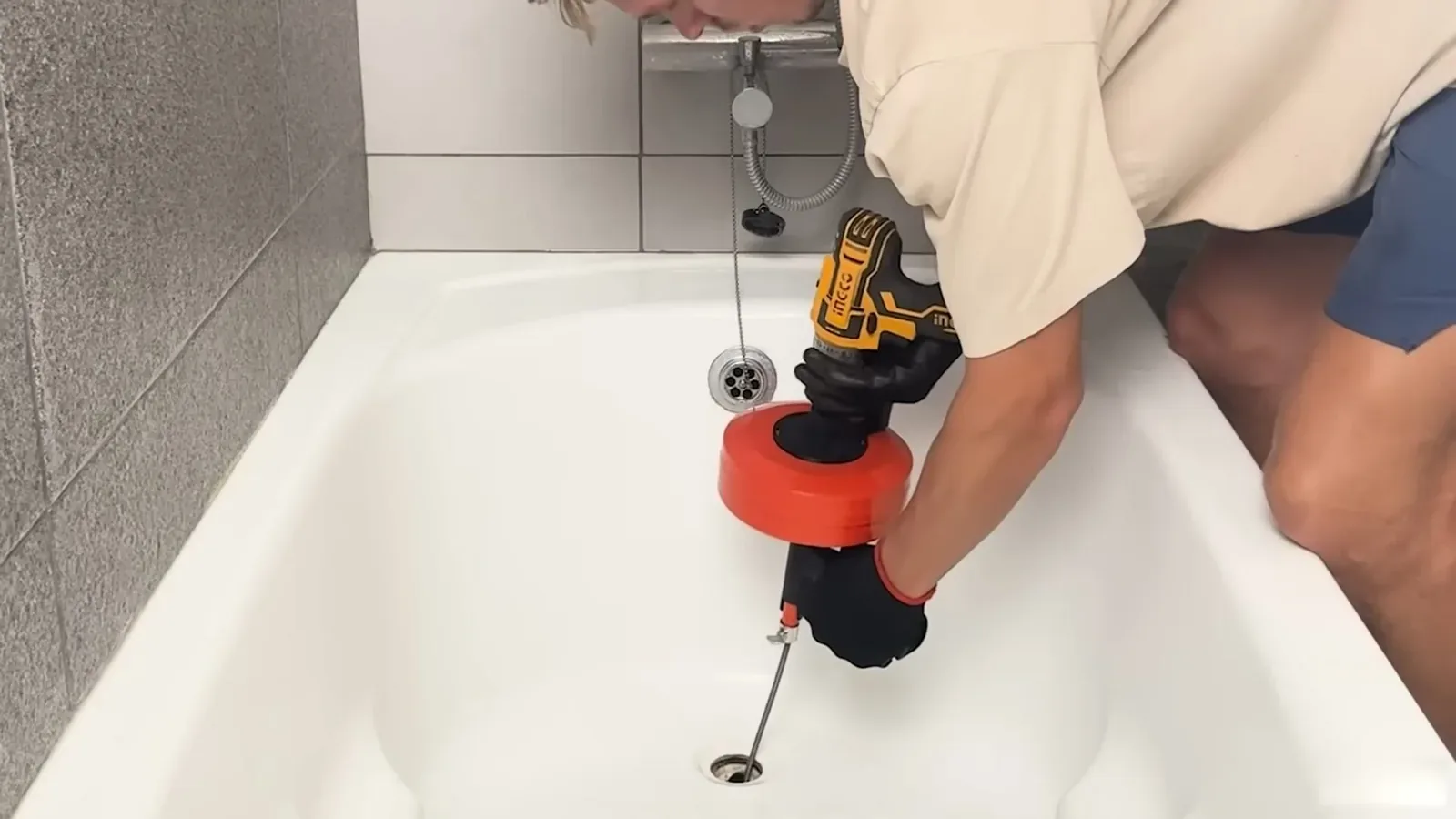
Where the problem shows up tells you where the blockage sits. A single slow sink points to that fixture's own trap or branch line. A tub that gurgles when the toilet flushes, or water backing into the lowest drain in the house, points to the main line, which carries everything toward the street.
| What you notice | Where the clog likely is | First move |
|---|---|---|
| One sink or tub drains slowly | The fixture trap or branch line | Remove stoppers and clean the trap; avoid chemical cleaners if you may call a plumber |
| Toilet will not flush but the sink is fine | The toilet trap or its short drain | Plunge with a flange plunger; stop if water rises |
| Gurgling in several fixtures | The main drain or vent | Stop using water and call; this is not a fixture problem |
| Water in the basement floor drain | The main line or a sump or ejector failure | Stop water use and call; see the sump section below |
Drain cleaners can sit in a blocked pipe and burn skin when a cable or plunger splashes it back. Tell the plumber if you used one.
Cleaning (generic): what a drain service actually removes
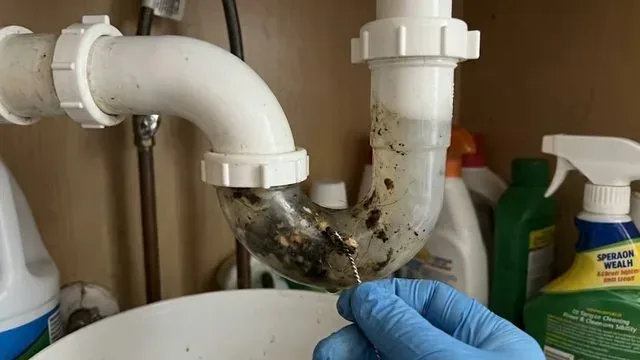
A cleaning call removes the blockage and restores flow through the section of pipe that was affected. For fixture drains, that means a hand cable or a small drum machine run through the trap arm. The plumber should tell you what came out, such as hair, grease, wipes or roots, because the material points to the cause and to how likely the clog is to return.
Ask whether the clog was cleared completely or only opened, whether the line was tested by running water for a few minutes, and whether anything about the pipe looked damaged. A drain opened with a narrow hole through the blockage can clog again within days. Fixture drains and the branch lines behind them are the usual scope of a cleaning call; the main line is a larger job with its own equipment. A short written note of what was cleared, how far the cable went and how the drain ran afterward is useful if the problem returns.
Snaking, rooter and auger work: when a cable is the right tool
A cable, also called a snake, rooter or auger, is the standard tool for hair, paper and soft blockages. It bores through the clog and pulls it out or breaks it up. Cutter heads on larger machines slice through roots in a main line. A cable is fast and does not damage sound pipe, but it opens a channel rather than scrubbing the pipe wall, so grease or scale along the wall stays.
That is why a cable is a good first response to a one-time clog and a weak answer to a drain that backs up on a schedule. Cable size matters: a small cable suits sink and tub drains, a closet auger is made for toilets so it does not scratch the porcelain, and a main line needs a larger machine. If the cable stops at the same spot every time, the cause is probably in the pipe itself, such as an offset joint or a collapsed section, not in a clog.
Clog that will not budge?
Say which drain and whether it gurgles elsewhere. Dispatch routes the call to a plumber serving your area.
Call (717) 897-7332Clogged, slow or backed-up drains: reading the symptom
Slow drainage is a warning, and a full backup is the end result. The difference matters: a slow tub drain can wait for a service call, but wastewater coming up through a floor drain or toilet is an emergency, because it carries bacteria into living space. Stop running water, keep children and pets away, and do not stand in the water. On the phone, describe it precisely: which drains, how long it has been happening, whether any water moves at all and whether a smell comes with it. Ask what is safe to do while waiting; the usual answer is to stop using the affected fixtures and leave chemical cleaners alone.
After a backup, the plumber clears the blockage and should look at the line with a camera if the problem was in the main. Cleaning up sewage-contaminated materials is a job for a restoration trade; the water damage page covers removal and drying.
Hydro jetting: scrubbing the pipe instead of poking a hole through it
Hydro jetting, also written as hydrojetting or hydrojet cleaning, uses a high-pressure water stream from a nozzle that pulls itself along the pipe and scours the walls. It removes grease, scale and fine roots that a cable leaves behind, which is why it is chosen for lines that clog repeatedly. It suits sound pipe; old, cracked or collapsed pipe can be damaged by the pressure, so a camera look first is the sensible order. Ask what pressure and nozzle will be used and whether the line was scoped first. Jetting also leaves the pipe clean enough for a clear camera picture, so the two are often done in sequence: clear, look, then decide.
Jetting does not replace repair. If the camera shows a bellied section, a break or a joint that has separated, jetting only cleans a pipe that needs replacement.
Drain pipe repair and cast iron: when cleaning stops being enough
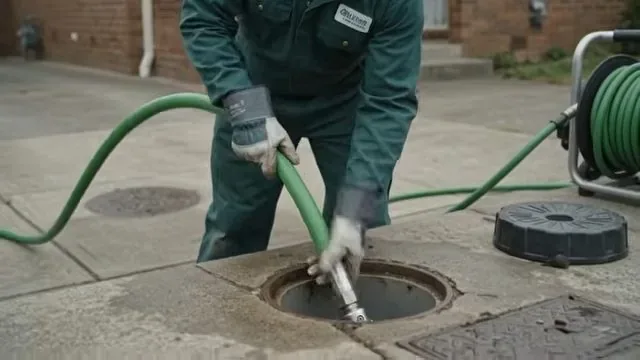
Older drain pipe, especially cast iron, rusts from the inside and develops a rough, scaled wall that catches paper and grease. When a drain clogs repeatedly and the camera shows a rough or narrowed interior, repair or replacement of that section is the lasting fix. Cutting out a failed section and joining new pipe is a routine repair, but the pipe in the wall needs access, so ask where the opening will be and who restores it. Where a cast iron stack runs behind a finished wall, the repair can mean opening drywall; ask for the opening to be as small as the pipe allows and for the plumber to say who patches and paints.
Ask whether the permit is needed from the borough for a drain pipe replacement; the local rule is set by the borough or township, so the borough office or the plumber pulling the permit is the source.
Sump pump and ejector problems: the one pump this page covers
A sump pump moves groundwater out of a pit in the lowest part of a house. An ejector pump does the same for wastewater from a basement bathroom or laundry. When either stops, the pit overflows into the basement, and the first call is often a drain call because that is where the water appears.
- Pump never runs, pit full: check that it is plugged in, the float moves freely and the breaker has not tripped.
- Pump runs constantly: a stuck float, a failed check valve or a pit receiving more water than the pump can move.
- Noise or burning smell: shut it off and call; a seized motor can overheat.
- Power outage during a storm: a battery backup is the usual protection; ask about it when the pump is replaced.
Where the pump discharges is a local question. Rules on connecting sump discharge to the sanitary sewer are set by the municipality, so ask the borough office before choosing a discharge point. A Cumberland County stormwater plan lists runoff problem areas that include Camp Hill, and Camp Hill Borough has held public meetings about a stormwater utility, which is one more reason to ask before sending water to the street.
Yard drainage, French drains and storm drain work are a separate trade. A plumber handles pumps and the drains inside the building, not grading or exterior drainage systems.
Water rising in the basement drain?
Stop running water in the house and call. A plumber serving your area can tell a main line clog from a pump failure by the first few questions.
Call (717) 897-7332Toilet, kitchen sink and tub drains: what each one is telling you
A toilet that will not flush is usually blocked in its own trap, and a flange plunger, the kind with a rubber sleeve, clears most of those. If the plunger fails twice, or water climbs toward the rim, stop: continuing can flood the bathroom, and a closet auger or a pulled toilet is the next step. Wipes marketed as flushable and heavy paper are the usual culprits. If every toilet in the house is slow, the problem is further down the line.
A kitchen sink clogs differently, because grease, coffee grounds and food solids form a paste on the pipe wall that hot water softens only until it cools farther down. The trap under the sink is the first place to look, and the dishwasher drain usually joins the same line, so a dishwasher that leaves standing water is part of the same story. A cable run through the trap arm clears the blockage; changing the habit keeps it clear.
Bathtub and shower drains collect hair at the stopper and a few inches down, bound together with soap. Pop-up and lift-and-turn stoppers have linkages that can also fail, which looks like a clog but is not. A drain screen catches most of the hair. If water comes up in the tub when the washing machine drains or a toilet is flushed, the shared branch or the main is blocked, and the tub is only where it shows.
The main line is the pipe that carries every drain to the sewer. Backups at more than one fixture, or at the lowest drain in the house, point here, and a cleanout cap near the foundation or in the basement gives access. Tree roots entering at joints are a common repeat cause. The sewer main repair page covers cameras, lateral ownership and replacement.
Drains that need attention right now are the ones where water is rising, sewage is coming up, or no fixture in the house will drain. Stop using water, phone dispatch and describe the water you see. Where possible, dispatch can line up same-day help, though no arrival time is promised; the plumber can usually say over the phone what to do in the meantime.
Camera checks, roots, odors and business drains
- Video camera inspection: shows what a cable cannot, such as a bellied section or a joint that has separated; ask for the recording after a backup in the main.
- Tree roots: they enter at joints in older clay and cast iron lines, and a cutter head clears them for a time; the lasting fix is repairing the joint.
- Floor drains and odors: a dry trap or a vent problem can smell like a sewer leak; pour water into a seldom-used floor drain first.
- Commercial grease drains: restaurant and kitchen exhaust grease lines run on their own schedules; the commercial plumbing page covers business calls.
Clogs, toilets and sump pumps: common questions
My hot water tank seems clogged and hot water will not flow. Is that a drain problem?
No. Hot water that will not flow is usually sediment in the tank, a failed heating element or a closed or stuck valve, not a drain clog. Check that the hot shutoff valve is fully open, then see the water heater repair page.
If a drain is blocked, who do I call and what comes first?
For a clog in one fixture, a plumber is the right call. If wastewater is rising, stop using water first, then call. If the whole street is affected or sewage is in the yard, tell the borough office too.
Why does my drain keep clogging?
- Note which drains are affected and how often.
- Check for grease in the kitchen line and hair at tub stoppers.
- Ask for a camera inspection if the same drain clogs more than twice a year.
- Ask whether jetting or pipe repair fits better than another cable run.
How do I clear a toilet clog when the water will not go down?
Use a flange plunger and push slowly, then pull to break the seal. If water rises toward the rim, stop, close the supply valve behind the toilet and call. Never flush repeatedly, and do not use chemical cleaner.
Water leaks from the dishwasher air gap. What does that mean?
The air gap sits on the sink and lets water escape if the dishwasher drain backs up. Water at the gap means the drain line from the dishwasher is blocked, often at the disposal or the sink drain. Clearing the blocked line stops it.
Related drain and sewer help
Drain backing up tonight?
Calls are taken all night. Name the fixture that is backing up and whether other drains gurgle, and the right plumber can be lined up from that.
Call (717) 897-7332- Licensed and insured plumbers
- Same-day service when available
- 24/7 emergency dispatch