
Water Heater Repair in Camp Hill, PA: Cold Showers, Leaking Tanks, Pilot Trouble
A water heater repair is for homeowners whose tank still works but no longer heats, leaks slowly, rumbles or loses its pilot. If the tank is leaking steadily from the bottom, repair is usually over and replacement is the question; the symptoms below help you tell which.
Call dispatch with the fuel type (gas or electric), the age on the tank label and what you notice. The plumber serving your area can narrow the cause before arriving.
- Licensed and insured plumbers
- Same-day service when available
- 24/7 emergency dispatch
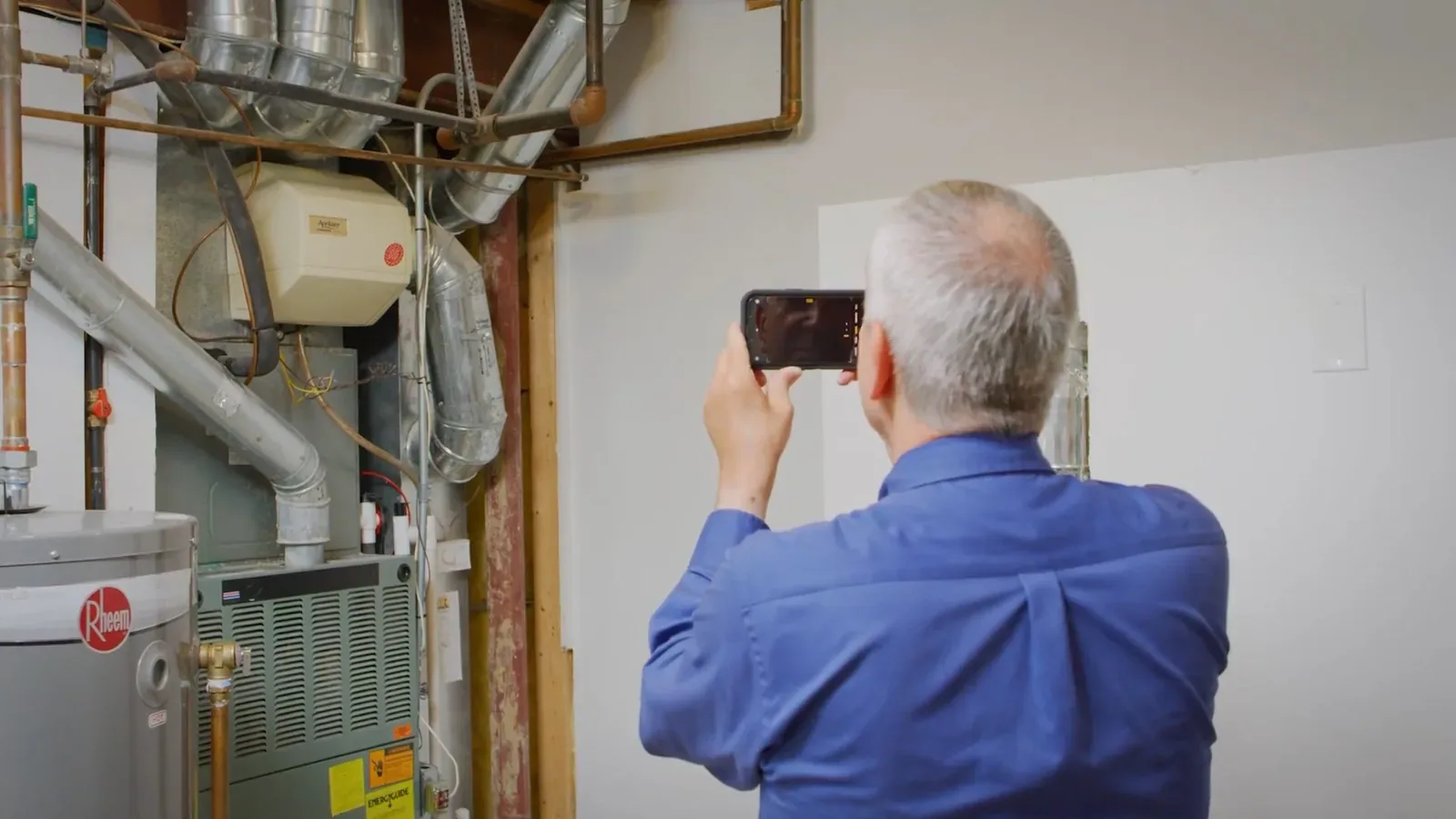
Gas or electric: the first fact that decides the repair
The fuel type decides what can go wrong and who should be working on it. A gas heater burns fuel in a chamber at the bottom of the tank and vents the exhaust through a flue, so its problems are mostly in the pilot, the burner, the gas valve and the vent. An electric heater has no flame; heating elements and thermostats do the work, and most failures are electrical parts that can be swapped.
| Symptom | Gas heater: likely cause | Electric heater: likely cause |
|---|---|---|
| No hot water at all | Pilot out, thermocouple failed, gas valve off | Tripped breaker, failed upper element or thermostat |
| Lukewarm water | Dirty burner or sediment on the tank bottom | Failed lower element or a sediment-blanketed element |
| Water runs out quickly | Sediment reducing capacity, dip tube failure | Lower element failed, so only the top half heats |
| Popping or rumbling | Sediment under the burner flashes to steam | Sediment around the lower element |
| Water at the base | Tank leak or a failed relief valve line | Tank leak or condensation; check the fittings first |
Do not light anything or touch a switch. Leave the building then phone 911 or your gas utility. Gas odor belongs with the utility and fire department, not a plumbing repair.
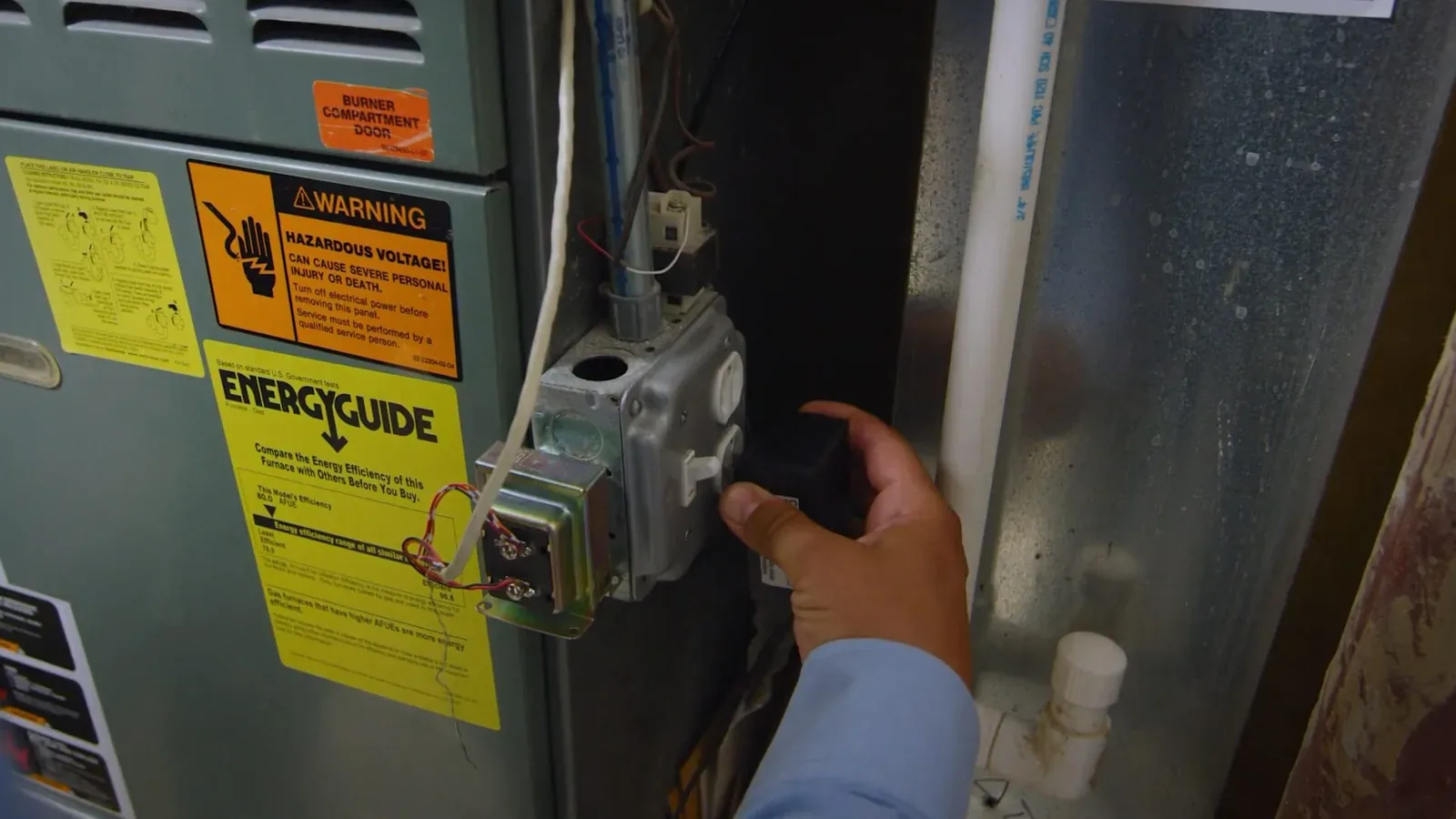
A leaking tank: when repair is over and replacement begins
Look at where the water is. A drip from a pipe fitting, the pressure relief valve or a drain valve can be repaired in minutes. Water seeping from the tank body, or pooling under it with no fitting wet, means the steel liner has failed, because a tank cannot be patched from the inside. At that point the repair visit becomes a replacement visit, so shut off the cold supply valve above the heater and, for a gas unit, set the control to pilot or off while you wait.
Ask the plumber to show you where the water is coming from before agreeing to replace. If it is a fitting or a valve, the heater may have years left. The installation page covers sizing and permits for a swap, and water that has already soaked flooring or drywall is covered on the water damage restoration page.
Flushing and sediment: the maintenance that changes the repair list
Hardness minerals settle out as sediment on the bottom of the tank, insulating the heat source from the water and shortening the tank's life. Flushing the tank, a hose drain from the bottom until the water runs clear, removes loose sediment, and is easiest when done every year before sediment hardens. How fast sediment builds depends on the hardness of your water; the annual water quality report from Pennsylvania American Water, searchable by ZIP, lists hardness for your address, and a harder supply means flushing matters more.
If the drain valve is clogged with sediment or has never been used, have a plumber do the flush so the valve is not broken. An anode rod, which sacrifices itself to protect the tank, is worth checking at the same visit.
No hot water this morning?
Check the breaker or pilot first. Then tell dispatch the fuel type, and a plumber serving your area can say whether it is a quick part or the end of the tank.
Call (717) 897-7332Repair or replace: three questions that settle it
- How old is the heater? The manufacture date is coded in the serial number on the label. A tank past its warranty with a part failure is a weaker repair candidate than a younger unit.
- Is the tank itself leaking? A leaking tank body cannot be repaired.
- What does the repair cost against the remaining life? Ask for both numbers in writing and ask whether the replacement price includes removal and a permit.
Whether a permit is needed for a replacement or a significant repair in your municipality is a question for your municipality. Ask the borough office or confirm with the plumber who pulls the permit. Ask the plumber for a home improvement registration number too, and check it by calling the Attorney General at 1-888-520-6680.
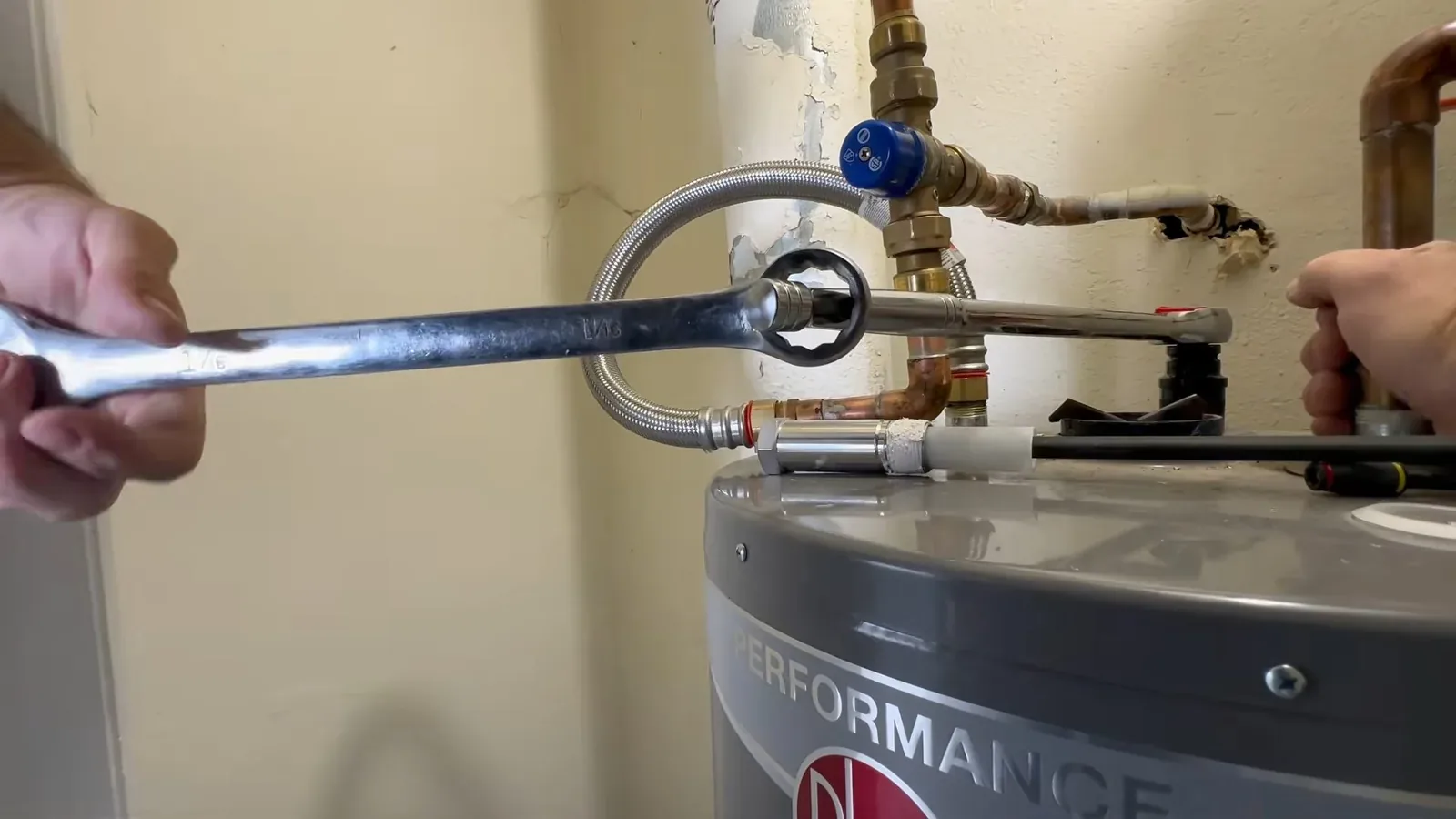
Other symptoms in short
- Noise: popping and rumbling mean sediment; a high whine can be a scaled element; ticking is often pipes expanding as the water heats.
- Thermostat and elements: on an electric heater a failed element or thermostat is a replaceable part; turn the breaker off before anyone opens the panel.
- Not heating: a gas heater that will not stay lit may have a failing thermocouple or a draft problem; relighting repeatedly without finding the cause is a safety risk.
- Pilot, igniter or burner trouble: a dirty burner or a weak igniter is a cleaning or part swap, and the vent should be checked at the same time.
A heater repair quote depends on parts, access and fuel type.
Heater leaking or cold?
Read dispatch the fuel type and the age on the label. The plumber serving your area decides repair or replace after seeing where the water is.
Call (717) 897-7332Hot water heater questions worth asking
My water heater is not heating. What should I check first?
For an electric heater, look at the breaker first; for a gas heater, check that the pilot is lit and the gas valve is on. If both are fine, the cause is usually a part: an element, thermostat or thermocouple. Call if it is more than a reset.
Who fixes water heaters, a plumber or an appliance technician?
Two paths are common. A plumber handles the tank, valves, water connections and the gas piping; an appliance or heating technician handles electrical parts and burners in some shops. Choose a plumber when the symptom involves water or a leak, and ask the plumber whether the electrical or gas part is within their license.
How long do water heaters last in Camp Hill?
Start with your own water: Pennsylvania American Water publishes an annual report by ZIP that lists hardness, and harder water means faster sediment and a shorter tank life. Past that, age and flushing history decide. Ask the plumber for the age on the label and whether the tank was ever flushed.
Why is my water heater making noise?
- Popping or rumbling: sediment on the bottom; flush the tank.
- Hissing at the base of a gas unit: moisture on the burner.
- Ticking: pipes expanding as water heats.
- Persistent whine or screech: a scaled element or failing part; call.
Related hot water help
Cold showers do not fix themselves
Any hour works. Give the fuel type and what you see, and the call is lined up from there.
Call (717) 897-7332- Licensed and insured plumbers
- Same-day service when available
- 24/7 emergency dispatch