
Hidden Water Leak in Camp Hill, PA? Emergency Leak Detection and Repair
Most people expect a leak to announce itself with a puddle. The expensive ones rarely do: they run inside a wall, under a floor or in a buried line, and the first clue is a water bill that keeps climbing or a stain that grows a little each week.
Say where the water shows up when dispatch answers, and the plumber assigned to your address starts by finding the source before cutting into anything.
- Licensed and insured plumbers
- Same-day service when available
- 24/7 emergency dispatch
Is the leak really inside your house? Run the meter test first
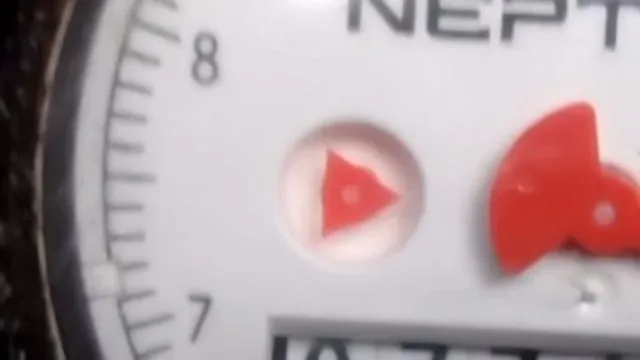
A search for a hidden leak costs time and sometimes access holes, so the first job is proving the water is going somewhere it should not. The water meter does that without tools, and it takes about an hour of nobody using water.
- Stop every use. Close taps, pause the dishwasher and washing machine, and make sure the ice maker is not filling.
- Read the meter. Note the dial or the digits, including any small flow indicator that spins when water moves.
- Wait, then read again. If the number has moved after an hour with everything off, water is escaping somewhere on your side of the meter.
The meter belongs to the water company; for Camp Hill Borough that is Pennsylvania American Water. The test cannot say whether the loss is under the slab, in the yard line or behind a wall, and it cannot say if the toilet is silently running. That is the work of the search.
Stay away from it, switch off power only if the panel is reachable from dry floor, and call an electrician or 911. Plumbing can wait; electrical shock cannot.
What a leak search involves, and what to ask the plumber to document
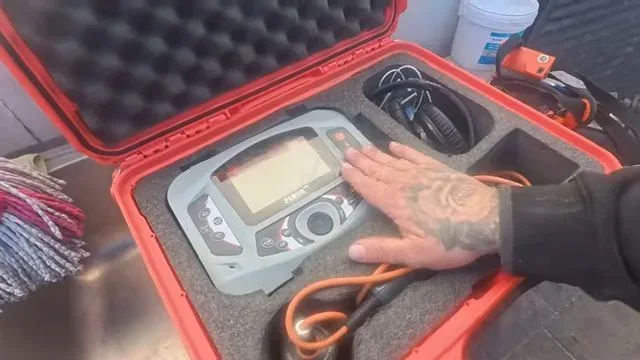
Once the meter shows a loss, the plumber narrows it down in stages. Pressure tests on the supply lines show whether the leak is on the hot side, the cold side or the line from the street. Acoustic listening gear picks up the hiss of pressurized water through floors and walls. Thermal imaging shows warm or cold paths where hot water or damp insulation changes the surface temperature. Electronic tracing follows the pipe itself so the opening, if one is needed, is as small as it can be.
Ask for three things in writing before the plumber opens a wall: where the leak was found, how it was confirmed (test, photo or reading) and what the repair options are. That record also helps if an insurance claim follows, because insurers often ask for proof of the source.
| What you notice | Likely source | What the plumber checks |
|---|---|---|
| Water bill up with no change in habits | Running toilet, buried line or hidden supply leak | Meter test, toilet dye test, pressure hold on the supply |
| Stain that darkens after someone showers | Drain or shower pan leak above | Run water at each fixture while watching the stain |
| Stain that appears with no water use | Pressurized supply line in the wall or ceiling | Acoustic listening and thermal imaging |
| Wet patch in the yard between house and street | Service line leak | Isolate the line, then call 811 before any digging |
| Musty smell with no visible water | Slow leak behind a wall or under a cabinet | Moisture meter readings at the wall base |
Repairing the leak: patch one spot, replace a section or reroute the line
Once the source is known, a leak repair comes down to one decision: how much pipe to trust. A single failure in an otherwise sound line is usually repaired at that spot. When the pipe around the break is corroded or has already been repaired, the better answer is replacing the whole run, because the next failure tends to appear a few feet away. Where the line is under a finished floor, running a new line through the attic or basement can avoid breaking the floor at all.
Ask the plumber which of those three applies and why, and ask what happens to the walls, ceilings or flooring that were opened. Patching drywall and paint is usually a separate trade. Whether the borough requires a permit for the work is a local rule; the borough office, or the plumber who would pull it, can answer before the job starts.
Water bill climbing for no reason?
Describe the pattern to dispatch and ask the plumber to start with a meter test. A leak search is a plan, and the plan starts with a number.
Call (717) 897-7332Hidden and underground leaks: when the water disappears without a trace
A line buried in the yard or under a driveway leaks into the soil, so the surface may stay dry while the meter runs. Signs are a soft or unusually green strip of lawn, a drop in pressure at every tap, or the sound of running water when the house is quiet. Locating it means tracing the line with electronic equipment, then digging only where the trace points.
Pennsylvania law requires a call to 811 at least three business days before digging, and the plumber normally places that call. If you plan to dig yourself to look, make the same call first, because underground utility lines run through many residential yards.
Leaks at toilets, faucets and showers: the ones you can see and keep ignoring
A toilet that refills by itself, a faucet that drips into a drain and a shower valve that weeps behind the wall are small leaks that add up on a bill and rot the surrounding wood over time. A few drops a second from a faucet is a measurable amount of water over a month. A silent toilet leak is the most common reason a meter moves in a house with no other problem; a few drops of food coloring in the tank, left for fifteen minutes, show whether the flapper is letting water into the bowl.
Fixture repairs are quick when the part is standard and slower when the valve is old or discontinued. The fixture repairs page covers when replacing the whole faucet or toilet is the sensible call, and the plumber can tell you on the spot.
Pipe condition checks after more than one leak
One leak is an event. Two leaks on the same system in a short period is a pattern, and the question changes from "where is the leak" to "how much pipe is left". A pipe condition check looks at the material, the water pressure, signs of corrosion at joints and valves, and whether earlier repairs have held. It is worth asking for after a second leak, before a third one stains a ceiling, and it feeds directly into the repair-or-repipe decision on the repiping page.
- Is the pipe material consistent, or has it been patched with several types?
- Is water pressure within the normal range, or high enough to stress joints?
- Are the shutoff valves in the house working, or do they seize when turned?
Leak somewhere you cannot see?
Call dispatch with what you noticed and where. The plumber serving your area can start with the meter test over the phone.
Call (717) 897-7332Smaller leak jobs, one line each
- Wall and ceiling leaks: moisture mapping first, then an access hole cut where the readings are highest.
- Under a house, crawlspace or basement: leaks over or under a floor are traced from below where there is access.
- Pressure and hydrostatic testing: a timed pressure hold on supply or drain lines to prove a leak is gone after repair.
- Thermal and acoustic search: used together so the opening is as small as possible.
Sprinkler and irrigation lines are a separate trade. A plumber traces leaks in the house supply and the line to the street, but a broken lawn sprinkler zone belongs to an irrigation contractor.
A number is only meaningful after the plumber has looked; the factors behind leak call pricing are explained separately.
What people ask about hidden leaks
Can thermal imaging find water dripping from a second-floor balcony or ceiling?
Thermal imaging shows temperature differences, so it can point to damp insulation or a warm hot-water pipe behind a surface, but it cannot prove where water enters. Two options are common: map the moisture and open a small access hole at the highest reading, or run water at the suspected source while watching the stain. Choose the access hole when the stain grows with no water use, and the water test when it grows only after someone showers or it rains.
Do I need a plumber for water leaks, or can I handle it myself?
A visible drip at a fixture with a shutoff valve is a reasonable first step for a careful homeowner. Anything inside a wall, under a floor or in the yard needs a plumber, because finding it needs equipment and opening it needs a plan.
Water is leaking right now. What comes first?
Close the main shutoff, which is usually where the water line enters the house, and open one tap at the lowest point to relieve pressure. If water is near outlets, stay clear and call 911. Then call dispatch, which is answered around the clock; same-day service is offered when available, with no arrival time promised.
What does a pipe leak repair involve?
- Shut off water to the affected line and drain it.
- Expose the pipe, which may mean a small access opening.
- Cut out the damaged section and replace it with matching or approved material.
- Pressure-test the line before it is closed up.
- Photograph the repair and the opening for your records.
Where a leak call can lead next
A leak does not wait for morning
Dispatch answers every hour. Describe where the water shows up, and the call is passed on from there.
Call (717) 897-7332- Licensed and insured plumbers
- Same-day service when available
- 24/7 emergency dispatch