
Emergency Gas Line Repair and Installation in Camp Hill, PA: Leaks, Hookups and Pressure Tests
If you smell gas right now, stop reading and leave the building. Once outside, phone 911 or your gas utility. A gas smell is not a plumbing appointment, and nothing on this page replaces that call.
Once the utility has cleared the house, or when the work is planned, such as a new range or a longer run to a grill, dispatch can route you to a plumber who handles gas piping.
- Licensed and insured plumbers
- Same-day service when available
- 24/7 emergency dispatch
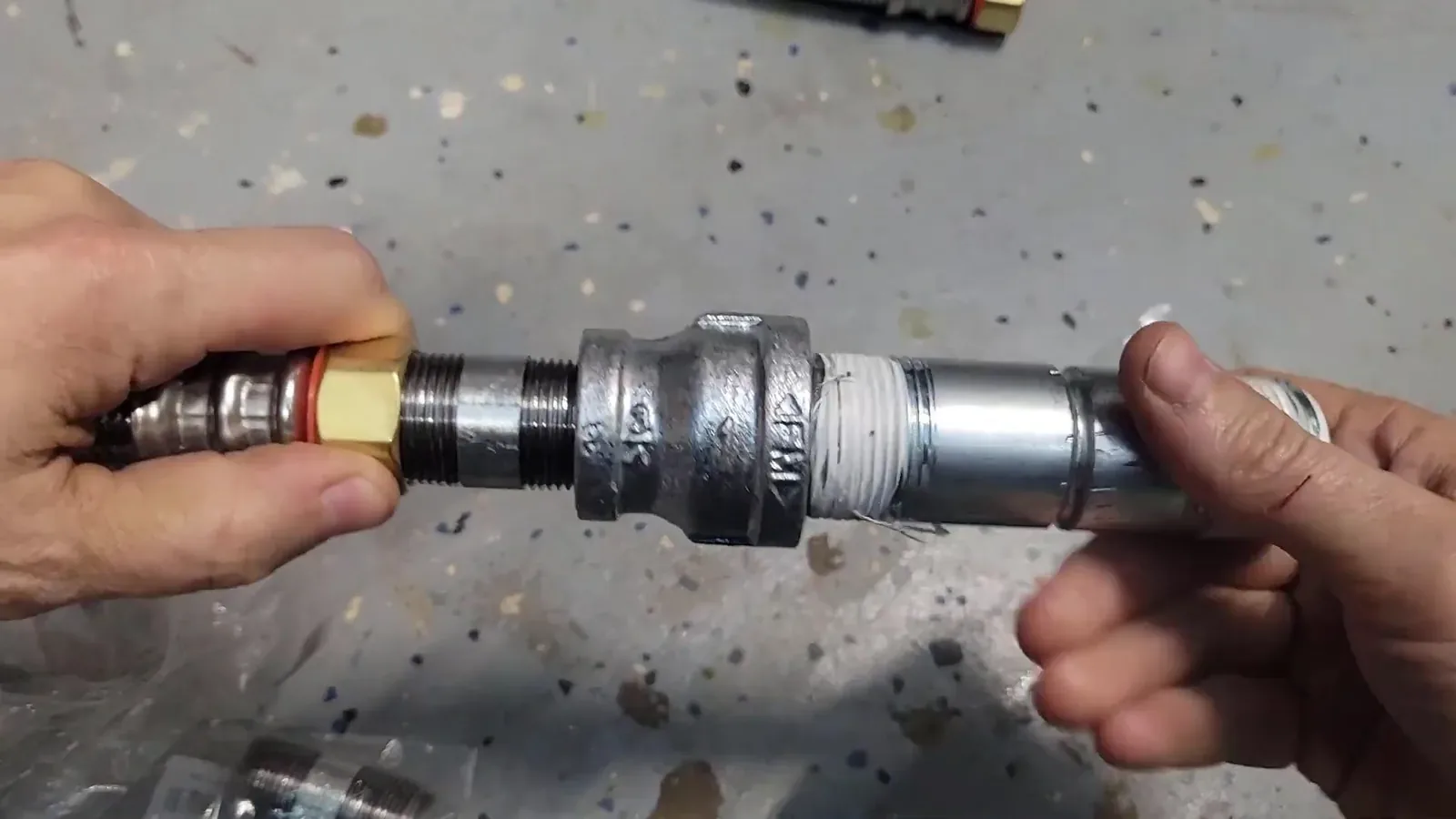
You smell gas: the order that keeps people safe
The rule is the same for a faint smell and a strong one: do not look for the source. Do not switch on a light, use a phone inside, start a car in an attached garage or ring a doorbell, because a spark can ignite gas. Leave the building with everyone in it, leave the door open if you can do that without delay, and call from a safe distance.
- Leave at once. Bring people and pets, nothing else.
- Phone 911 or your gas utility once you are out. Say you smell gas and give the address.
- Stay out until the utility says the building is safe. The utility may shut off service at the meter.
- Call a plumber afterward. The plumber repairs the piping; the utility restores service once the work passes inspection.
Soap-bubble tests on exposed fittings are for a professional with the gas off. The least costly mistake is calling too early; the most costly is calling too late.
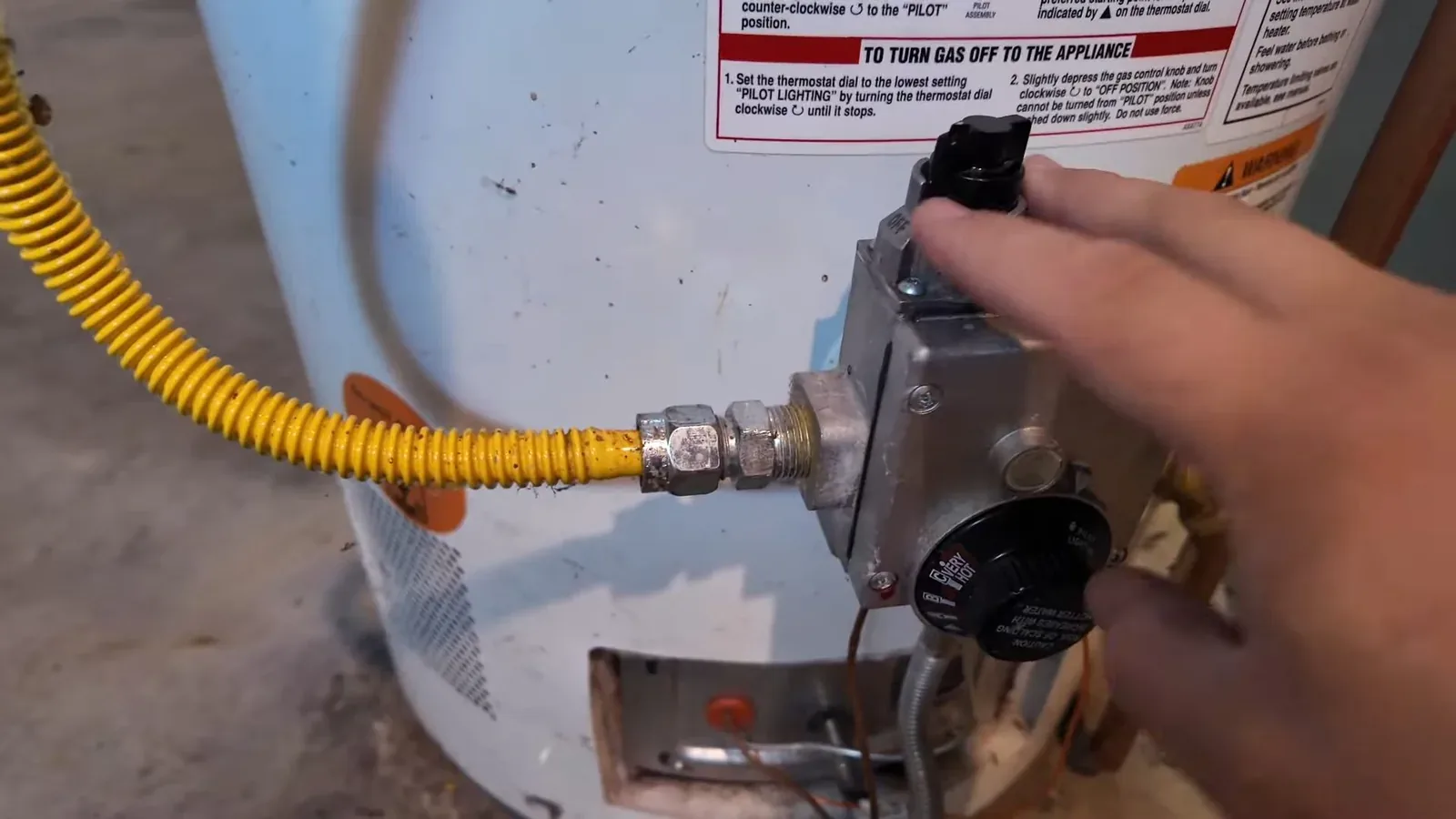
Gas line repair: what happens after the utility clears the house
A gas line repair starts with finding the leak with the line shut off, using approved leak-detection fluid or an electronic sniffer at suspect joints. Common culprits are corroded threaded fittings, a worn flexible appliance connector, a loose union behind an appliance and pipe damaged during other work. The plumber cuts out or replaces the faulty part, rebuilds the connection and then pressure-tests the system with the appliances disconnected.
Ask for the test result and whether an inspection is needed before service is restored. Whether proof is needed before service is restored is a question for the borough office and your gas utility. Keep the paperwork: it matters for a sale and for insurance. If the plumber finds more than one weak spot, ask for each to be listed with its location, so that a minor repair is not bundled with a larger replacement the house does not need.
Gas work planned or a leak already cleared?
Call dispatch and say what appliance or line is involved. Safety calls go to 911 or your utility first.
Call (717) 897-7332| Situation | Call first | Then |
|---|---|---|
| Smell of gas indoors | 911 or your gas utility, from outside | A plumber once the building is cleared |
| Planned new appliance hookup | A plumber | Utility if service needs reconnecting |
| Utility shut off service after a leak | The utility, for the timeline | A plumber for the repair and test |
| Propane tank or regulator problem | Your propane supplier | A plumber for the house piping |
Gas line installation: new hookups and longer runs
New gas work covers a range or cooktop, a dryer, a fireplace, a water heater, a grill or a standby generator. Each load adds to what the existing line must carry, so the plumber sizes the pipe from the meter to each appliance by length and total demand. A line sized for a furnace and water heater may be too small after a generator is added.
Expect a pressure test before the line is covered, a shutoff valve at each appliance and a drip leg where required. Flexible connectors must be the right type for the appliance and must not pass through walls. Ask whether a permit applies, who pulls it and whether the utility needs to reconnect.
- New range or cooktop: a dedicated shutoff and a connector rated for the appliance.
- Dryer or fireplace: sized branch and a sealed connection; some fireplaces need a venting check.
- Outdoor grill or generator: a buried or exterior line with the right corrosion protection, which can require trenching and an 811 call.
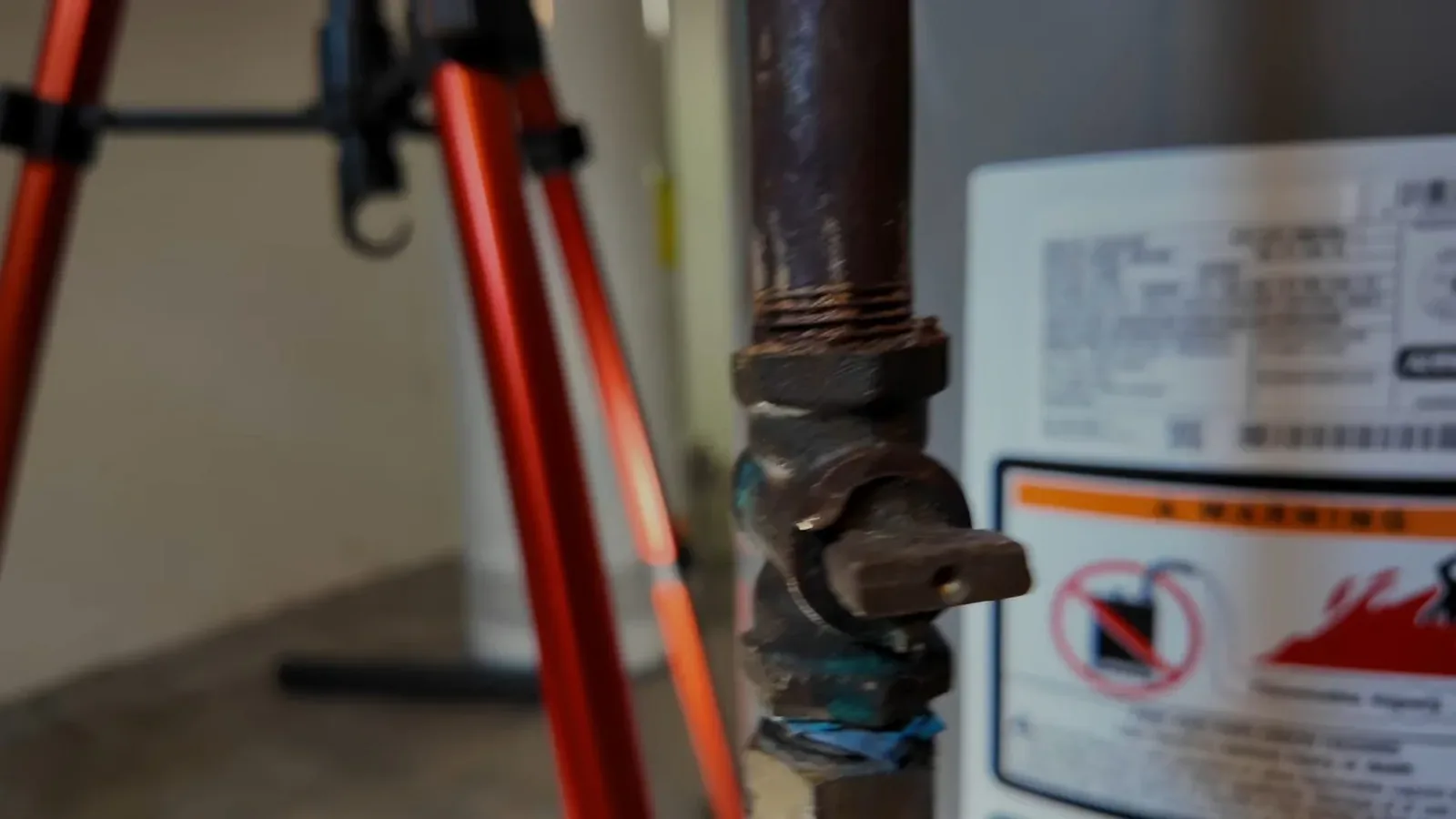
Black iron and flexible CSST: when old gas pipe is replaced
Black iron pipe is the traditional choice inside homes and lasts for decades, but threaded joints can loosen and the pipe can corrode where it is damp. Flexible stainless tubing, known as CSST, is faster to install but must be bonded and grounded to the manufacturer's rules; lightning and fault current can damage it if it is not.
Old gas pipe comes out when inspection shows corrosion along a run, a past repair is failing or the pipe material is no longer approved. Ask which material the plumber proposes, why and how it will be tested. A good answer includes the pressure the line will be tested at and for how long.
Quick notes: propane, inspections and emergency calls
- Propane: propane runs at a different pressure and uses different regulators and orifices; an appliance sold for natural gas needs a conversion kit before it burns propane.
- Inspection or pressure test: a plumber can test a house line after remodeling or before a purchase; ask for the gauge reading and test duration in writing.
- Emergency calls: any gas smell goes to 911 or the utility first. A plumber is called once the building is safe.
Pipe length, material and the number of appliances drive a gas quote; how gas quotes are built covers the rest.
New appliance needs gas?
Give dispatch the appliance and the distance from the meter or nearest branch, so the plumber can price the run.
Call (717) 897-7332Gas smell and gas work questions
What do I do when I smell gas?
Leave at once and phone 911 or your gas utility from a safe spot. Do not turn lights on or off, and do not use a phone inside. Stay out until the utility says it is safe.
I smell a faint gas odor near the stove once in a while. Is that serious?
Picture a brief whiff after the burner clicks off. It can be unburned gas from a pilot or a burner that is slow to light, but it can also be a small leak. Treat it as a reason to call the utility, because the downside of waiting is large.
Can a gas fireplace or insert be connected to an existing line?
Often yes, when the existing line has enough capacity and a shutoff valve can be added near the unit. The plumber sizes the branch and tests it. The fireplace itself may need a venting check, which is a separate trade, so ask who does it.
Who installs gas lines for stoves and dryers?
- A plumber who handles gas piping runs and tests the line.
- An appliance installer may connect the unit to a ready shutoff.
- The gas utility may need to turn service back on.
- Ask the borough office whether a permit and inspection apply.
Other gas and hot water work
Gas work after a safe all-clear
Safety calls come first. Once the building is cleared, dispatch is open to route the repair.
Call (717) 897-7332- Licensed and insured plumbers
- Same-day service when available
- 24/7 emergency dispatch