
Emergency Slab Leak Repair in Camp Hill, PA: Confirm Your Foundation First
When you call about a suspected slab leak, the first question is not where the leak is. It is what your floor is built on, because the words "slab leak" only apply to water lines running in or under a concrete floor.
Have the symptom ready when dispatch answers (a warm spot, a hiss, a bill that jumped) and any paperwork that names your foundation type.
- Licensed and insured plumbers
- Same-day service when available
- 24/7 emergency dispatch
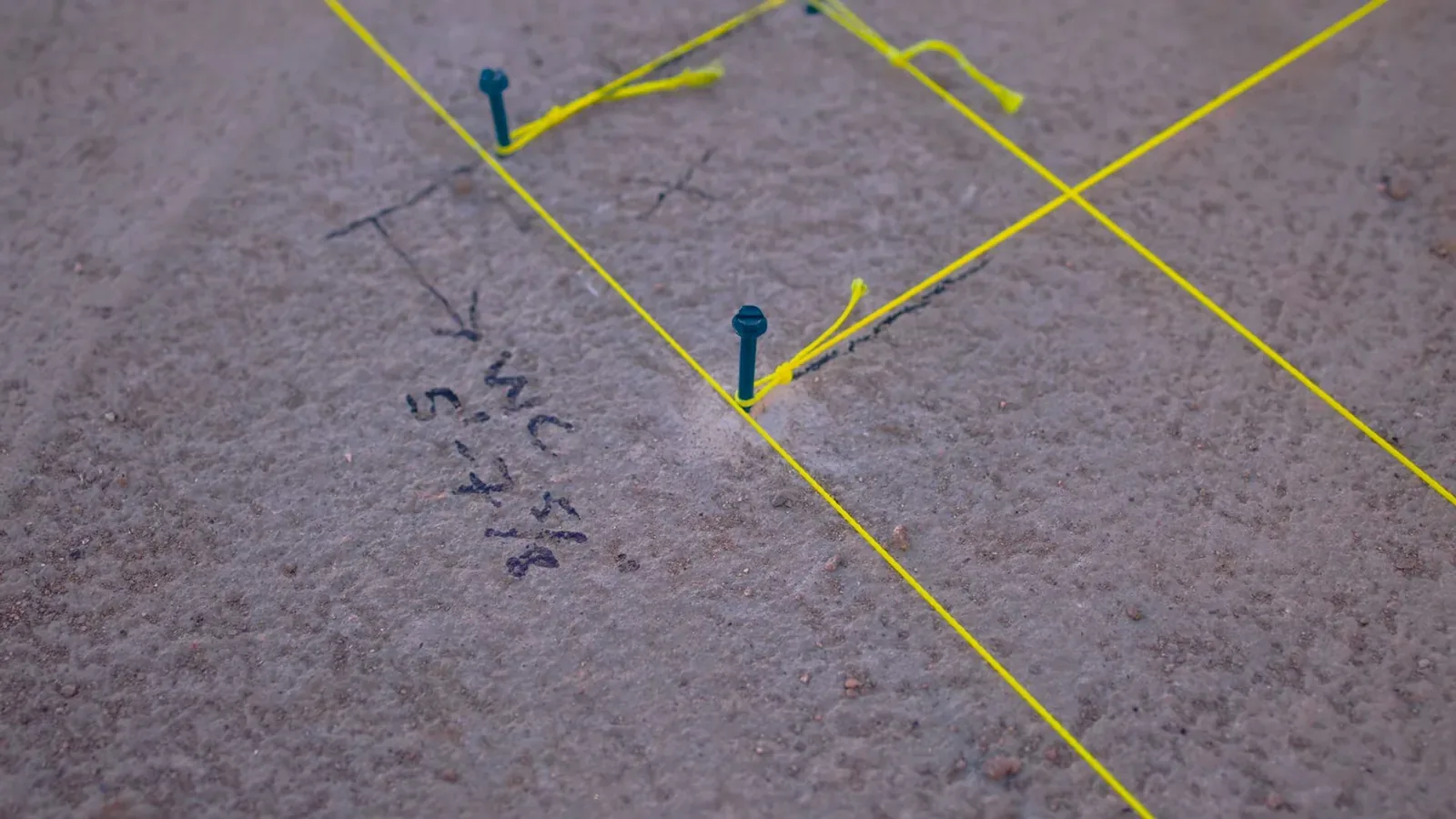
Do you actually have a slab? Confirm what your floor is made of
Homes are built on several kinds of foundation, so guessing is how people end up paying to search the wrong place. Settle the question first. A plumber can usually tell within minutes if you can answer three things.
- Is there a basement or crawlspace? If you can stand under the main floor and see pipes, a hidden leak is usually reachable from below and is not a slab leak.
- Is the lowest floor concrete poured directly on the ground? That is a slab on grade, and supply lines may run through or beneath it.
- What does your paperwork say? The closing documents, a past home inspection report or the original plans usually name the foundation type.
| Foundation | Where water lines run | What a leak search looks like |
|---|---|---|
| Slab on grade, no basement | In or under the concrete, or overhead in the attic | Locate by sound and heat, then choose between breaking the slab and rerouting |
| Basement with concrete floor | Mostly in the joists overhead; drains may run under the floor | Most leaks are traced from the ceiling below the floor above, no breaking needed |
| Crawlspace | Hung from joists or run in the dirt | Accessed by crawling; concrete is not involved |
| Unknown | Not confirmed | Start with the meter test, then ask the plumber to confirm the type on site |
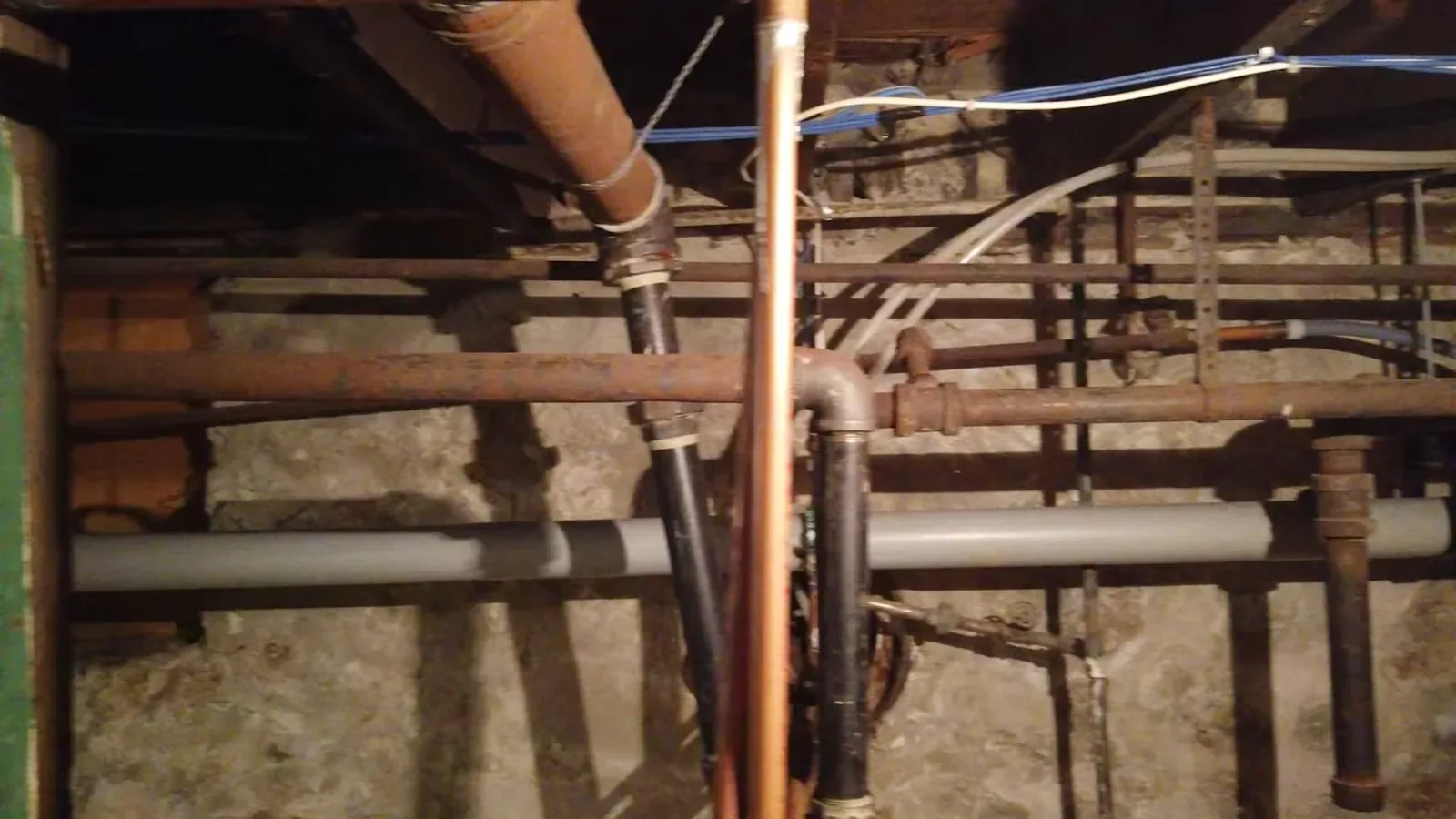
Signs that point under the floor
Spotting a slab leak early means noticing symptoms that do not match a leak you can see, because a leak under concrete rarely announces itself. None of these proves a slab leak on its own, and each can have a duller cause, so treat them as reasons to run the meter test rather than a diagnosis.
- A floor that is warm in one spot, especially tile or laminate, with no heating system under it.
- The sound of running water when every fixture is off.
- A water bill that rises with no change in how the house is used.
- Damp carpet, baseboards that swell, or a musty smell along an outside wall.
- Low hot-water pressure, which can mean the hot line is the one leaking.
Cutting into a concrete floor can hit a pressurized line, a drain or an electrical conduit. Leave the opening to the plumber after the location is marked, and call 811 before any digging outside the house.
Detection and location: how a leak under concrete is found
Finding an under-slab leak is a process of elimination. The plumber first isolates each line by closing valves and checking the meter, which tells you whether the loss is on hot, cold or the line from the street. Acoustic equipment listens along the floor for the hiss of pressurized water, and electronic tracing follows the pipe so the marked spot reflects the pipe path rather than a guess.
The result you want is a marked location on the floor with a stated margin, plus the reasoning behind it. A detection that ends with "somewhere around here" is not enough to justify breaking concrete. No plumber can guarantee the exact spot, which is why a marked location should be confirmed by two methods before an opening is made.
Hot spot on the floor or running water you cannot find?
Tell dispatch what you hear and where the floor feels warm. Close the main shutoff first if water is visible.
Call (717) 897-7332Repair routes: break through, reroute overhead or line the pipe
Once the leak is located, the repair choice matters more than the leak itself. Each route trades disruption, durability and cost, and the right one depends on how many leaks the system has had and how accessible the line is.
| Method | When it fits | Trade-off |
|---|---|---|
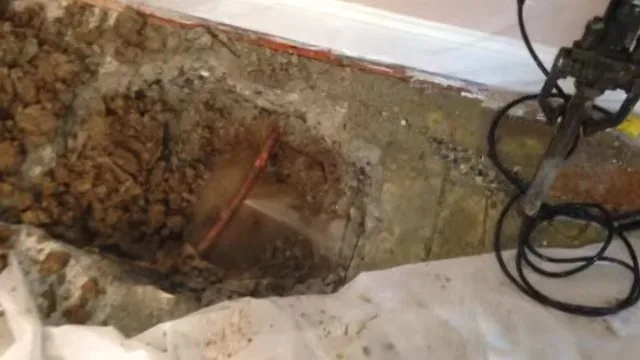
| Break the slab and repair the pipe | One leak, a straight run, accessible location | Dust, noise and floor finish removal; the opening must be patched and finished |
| Reroute the line through walls or attic | Repeated leaks or a line that is hard to reach | Walls and ceilings are opened; the old line stays in the floor, abandoned |
| Tunnel beneath the floor from outside the footprint | Slab that should not be cut, such as finished rooms | Digging is outdoors and the repair is made from below; access is limited by what runs under the house |
| Epoxy or liner inside the old pipe | Sound pipe with a pinhole or short failure | Less demolition, but not suited to badly corroded or heavily damaged pipe |
| Full repipe | Several leaks in a short period | Highest upfront disruption, ends a pattern; see the repiping page |
Ask the plumber what happens to the old line, who restores the floor finish, and whether the borough needs a permit for the work. Permit rules for a repair of this size vary by municipality, so confirm with the borough office who pulls the permit before the job starts. Price depends on all of these answers; the general slab leak cost factors are laid out in one place.
Before signing, ask the contractor for the state registration number; calling 1-888-520-6680 will tell you whether it is current.
Pattern of leaks under the floor?
More than one leak in a short time points to reroute or repipe, not another patch. Ask dispatch for a plumber who will quote both.
Call (717) 897-7332Insurance and slab leaks: what to do before anyone cuts anything
Insurance information on this page is general, and no site can promise that a claim will be approved or paid. What helps in every case is documentation: photos of the stain, the meter readings from your test, and a written note of where and how the leak was found. Ask your insurer before repair work starts, because policies treat sudden water damage and gradual leakage differently and some require notice before the floor is opened.
Slab leak questions, answered plainly
What are the symptoms of a slab leak?
Picture a tile floor in a hallway that feels warm underfoot in July, with the heating off. A hot-water line under that spot is the usual explanation. The same pattern with a cold floor and a hissing sound points to a cold supply line. Either way, run the meter test before assuming the floor is the problem.
How do I know if I have a slab leak?
Start with the symptom you can confirm: a meter that keeps moving with every tap off. Then confirm your foundation type, because without a concrete floor over the water lines the problem is something else. A plumber confirms the leak with isolation tests and listening equipment.
Does homeowners insurance cover slab leaks?
There are two common routes: file a claim before repair begins, or repair first and document everything. File first when the damage is large or the policy requires notice; repair first, with photos and written findings, when waiting would let the damage grow. The site cannot promise a claim will be approved. Ask your insurer which applies.
What does slab leak repair cost?
The cost page explains what drives the price, from access and method to how many leaks the system has had. A written quote after the plumber has located the leak is the only number worth planning around.
After the leak is found
Floor warm, bill climbing, meter moving?
Call any hour. The first questions will be what the meter is doing and what your foundation is.
Call (717) 897-7332- Licensed and insured plumbers
- Same-day service when available
- 24/7 emergency dispatch